There were many good reasons for Jill and me to come back to Africa but for Jill, this trip was all about the mountain gorillas. She really wanted to see them in their natural habitat (and if an opportunity to do so presented itself, smuggle one of the babies back home to America). Now that the trip is over I’ve got countless experiences that I can look back on, many that I’ll likely remember for the rest of my life, but before I left, the only thing I had on my mind was seeing the top of Kilimanjaro. At nearly 6,000m (20,000ft), this mountain is the highest point in Africa and the tallest freestanding mountain in the world. I knew that climbing it would present a unique challenge. I wasn’t disappointed.
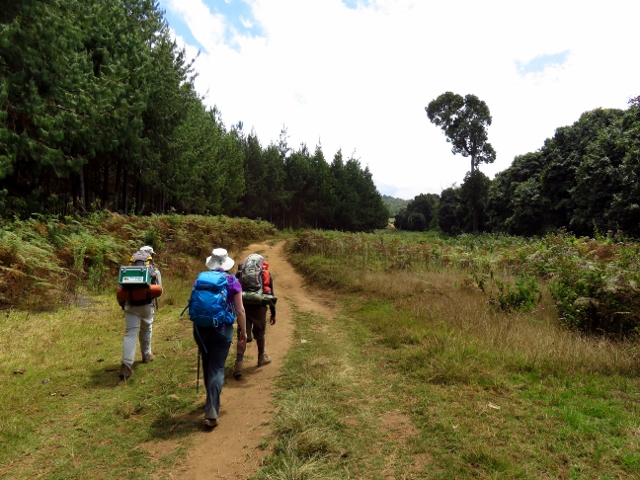
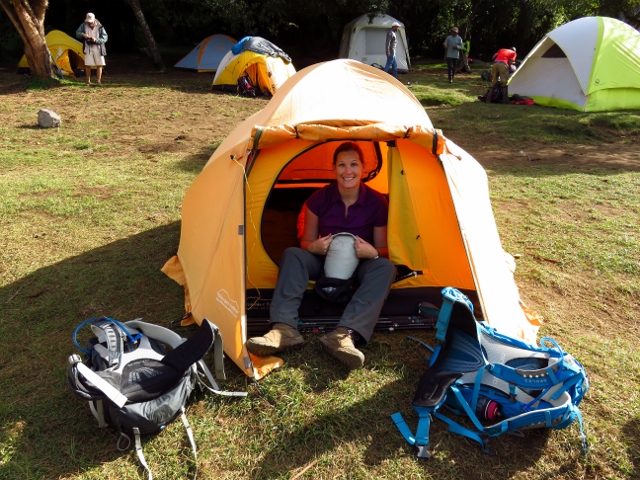
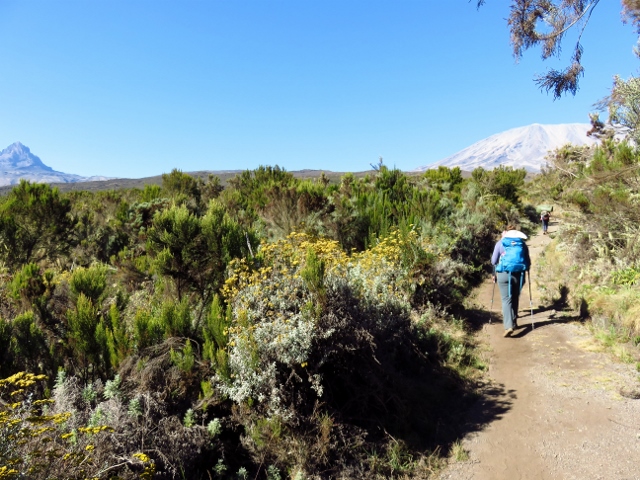
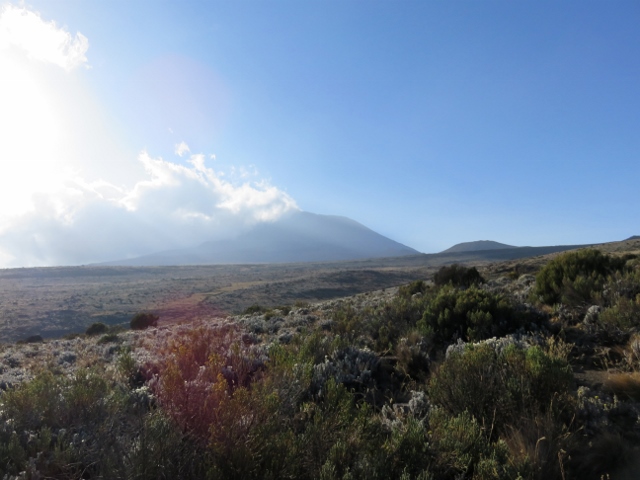
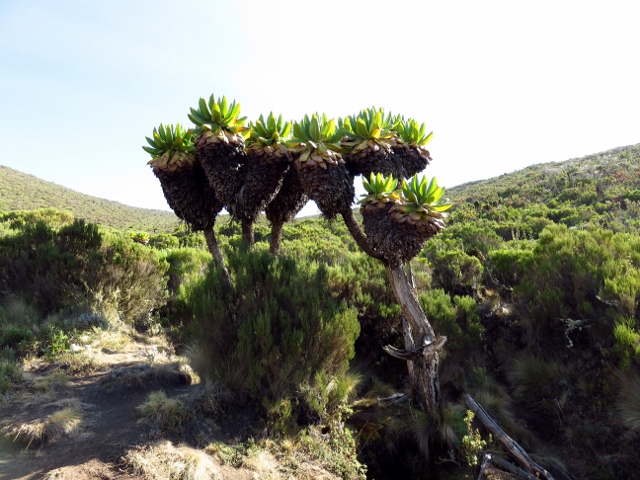
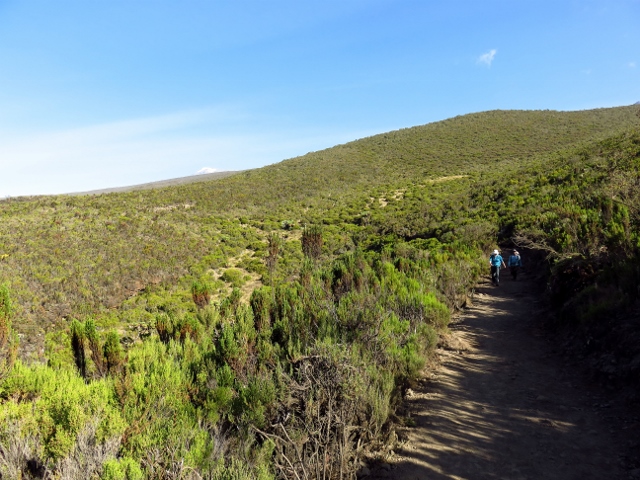
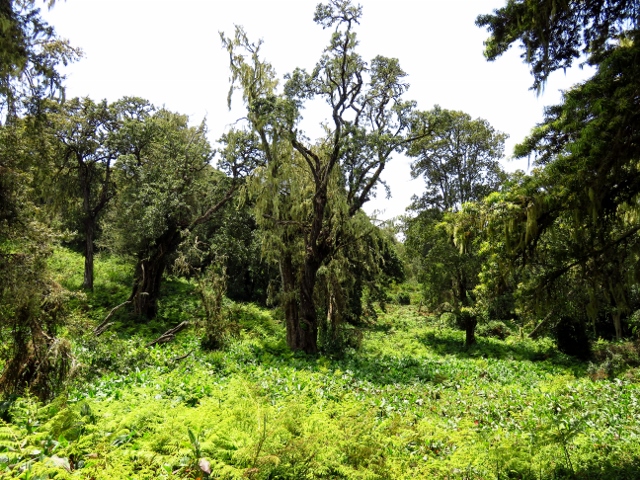
Like most mountains, Kilimanjaro has multiple zones. Seen from afar, it just looks like a single peak made of rock but when you get closer you realise that it’s much more interesting than that. Agriculture, farms, forest, rainforest, large mammals (buffalo, elephants, apes), alpine desert, glaciers, all of these and more can be found on Kilimanjaro.

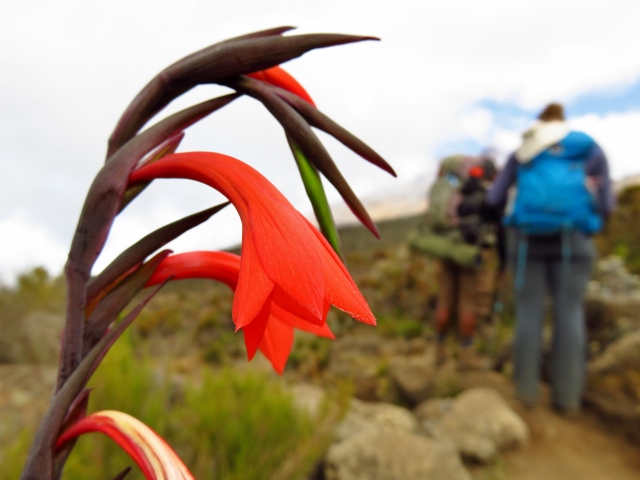
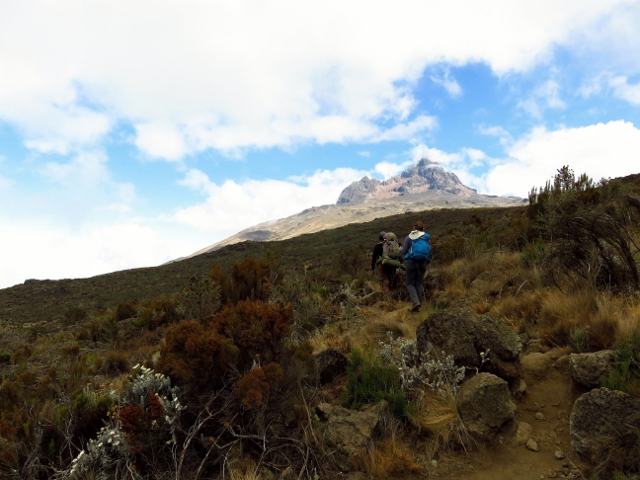
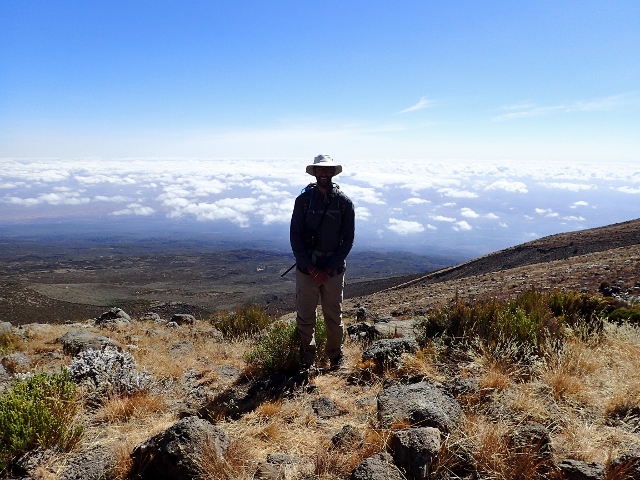
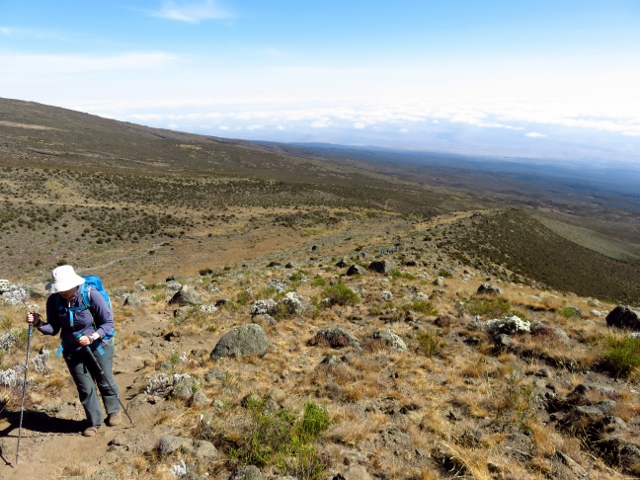
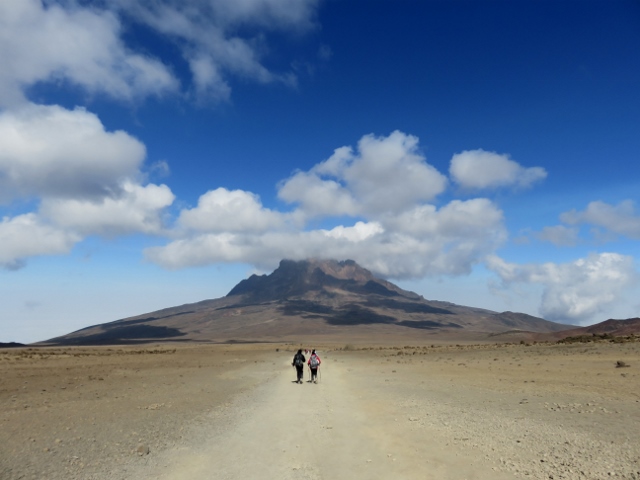
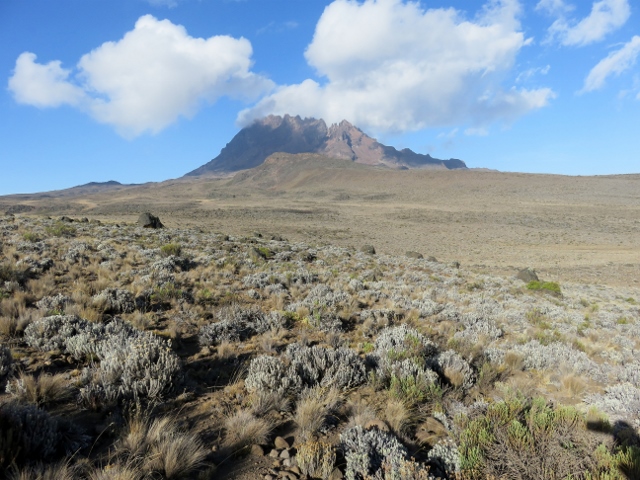
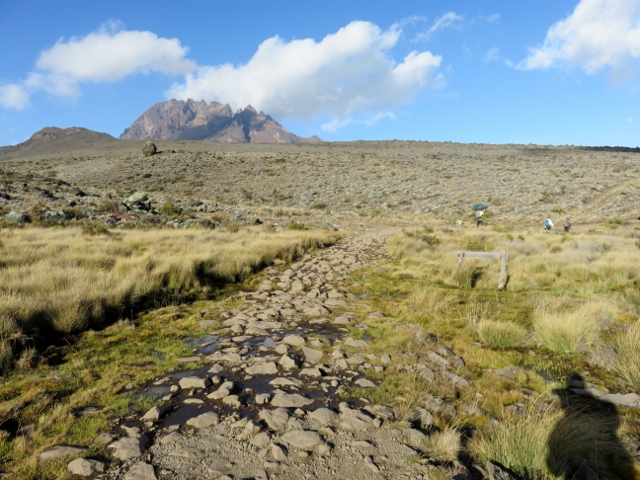
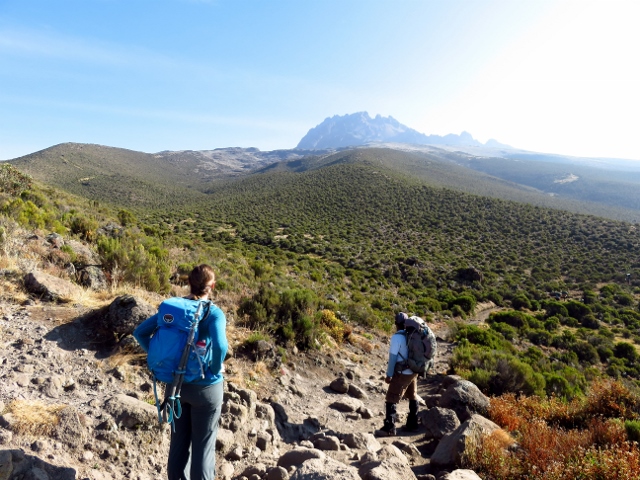
Mawenzi, Kilimajaro’s second highest peak.

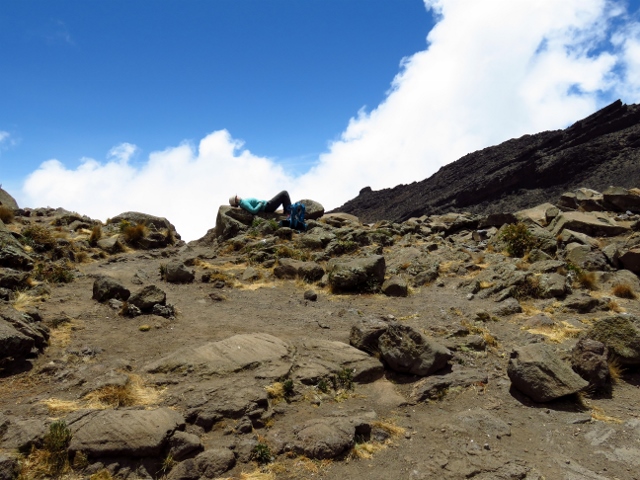
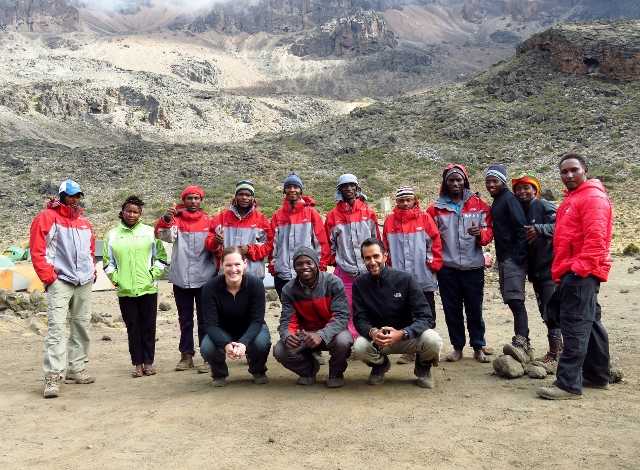
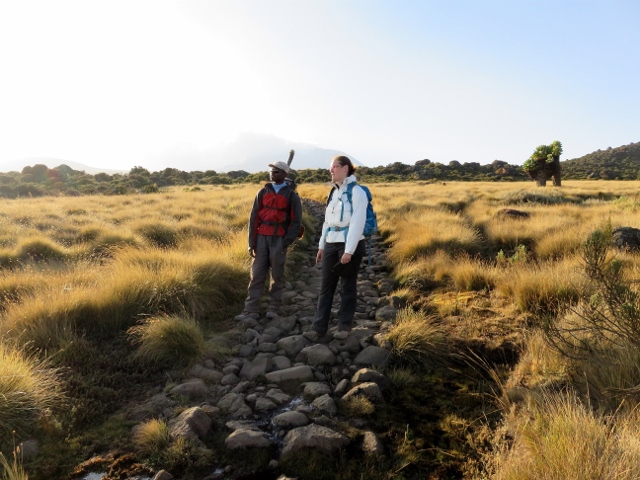
Each day, Jill and I carried four litres of water, our snacks and any clothes that we might need. It was a lot of weight, weight that made the climb more difficult than it otherwise would have been. We didn’t carry the food that we ate for lunch or dinner though, or our tent, or the rest of the clothes that we’d brought along for the hike. It took a small village to get us up the mountain; two guides, a cook and ten porters. To the top and back, we both went a long way but we wouldn’t have got anywhere near as far without such a great crew supporting us!
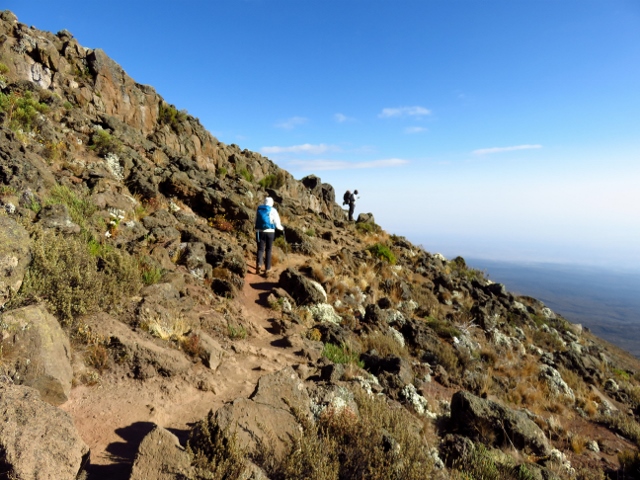
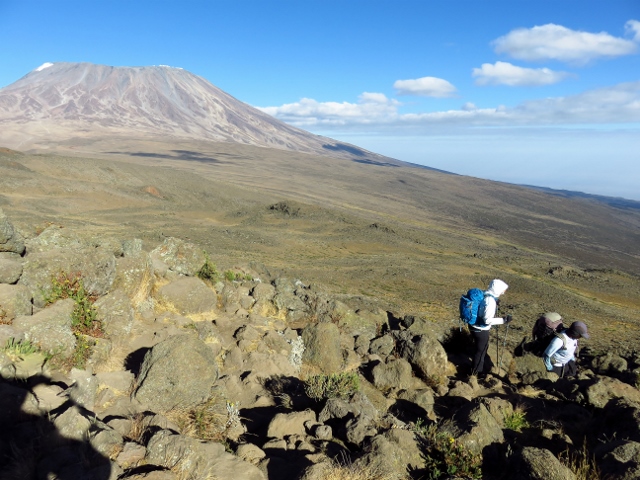
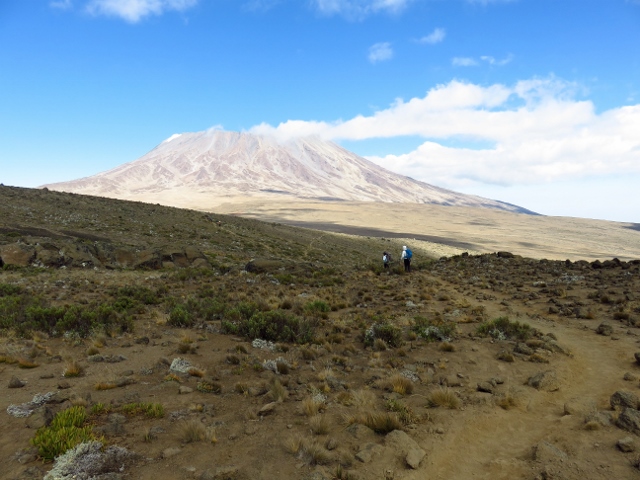
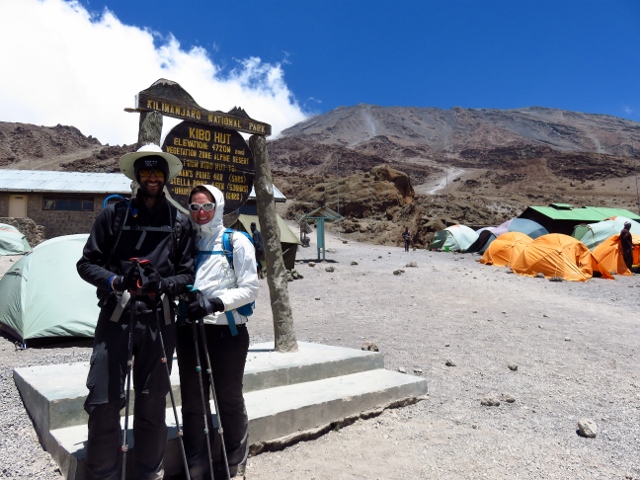
Kibo Hut, the final camp before our summit attempt.
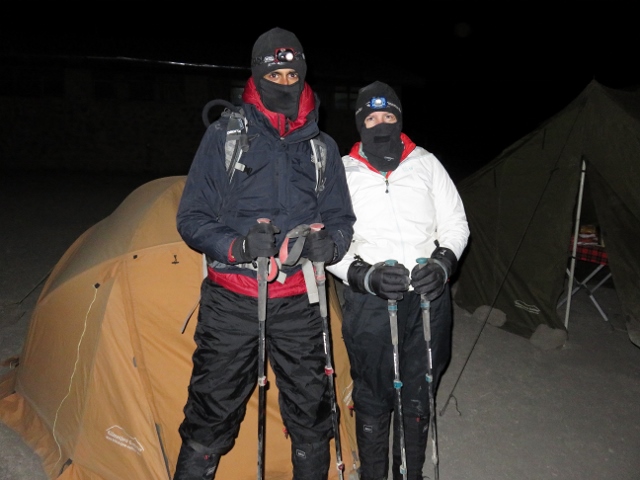
We started the attempt at 23:30 in the hopes of making it to Kilimanjaro’s crater by sunrise.
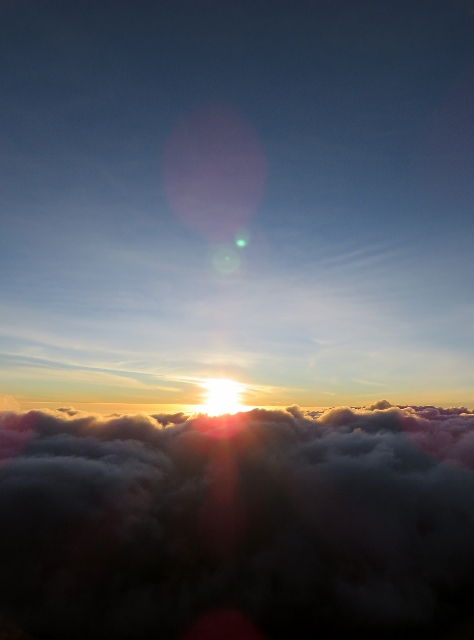
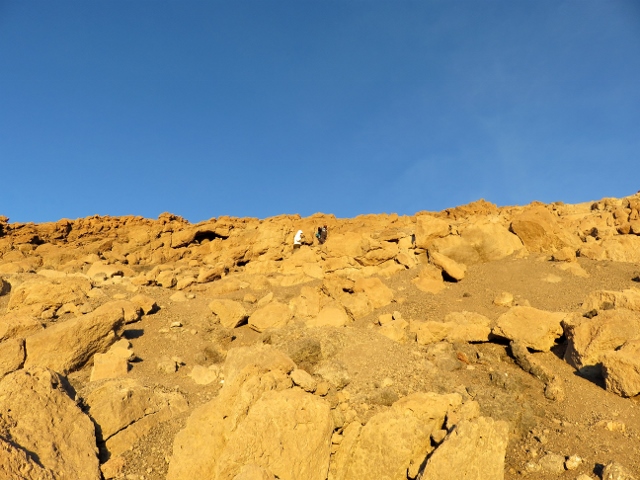
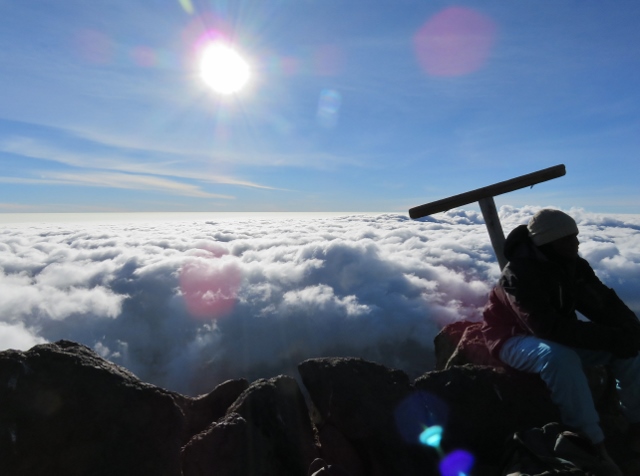
Gilman’s point, the top of Kilimanjaro’s most gruelling, unforgiving climb. Despite being just a short distance from Kilimanjaro’s summit, Uhuru Peak, Jill had to turn back here. The altitude (almost 5,700m, or 19,000ft) at this point, had led to complications with Jill’s vision. She could only see colours and vague outlines of objects and people. This was dangerous not only because she could have fallen to her death by continuing, if she’d gone any higher, she may have risked permanent damage to her eyesight. Each person’s body reacts to these harsh conditions differently; humans are not meant to be up this high. The low air pressure affected Jill more than it did me but the low oxygen level definitely hit me much harder. My body felt like it was shutting down at several points, pushing through that feeling and continuing upward was an incredible struggle. Jill’s sight returned to normal the following morning, after we’d descended 2,000m (6,500ft).
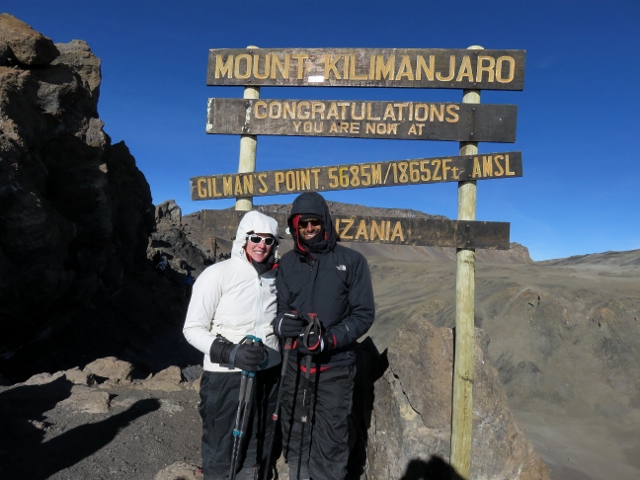
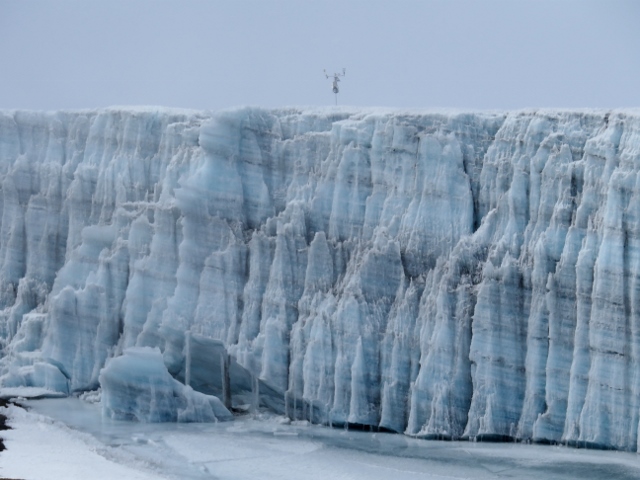
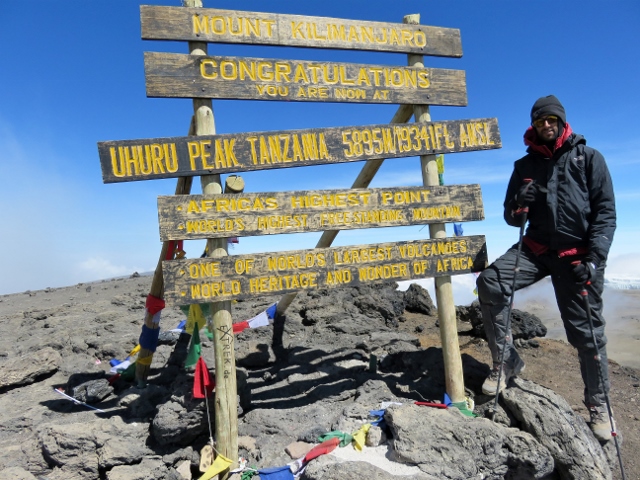
Uhuru Peak, the top of the highest freestanding mountain in the world.
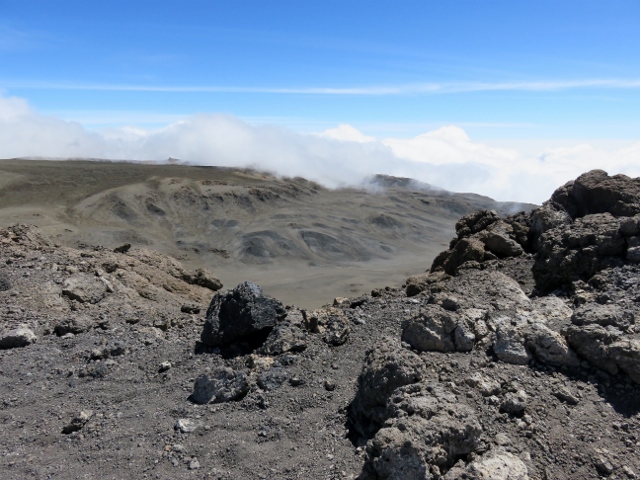
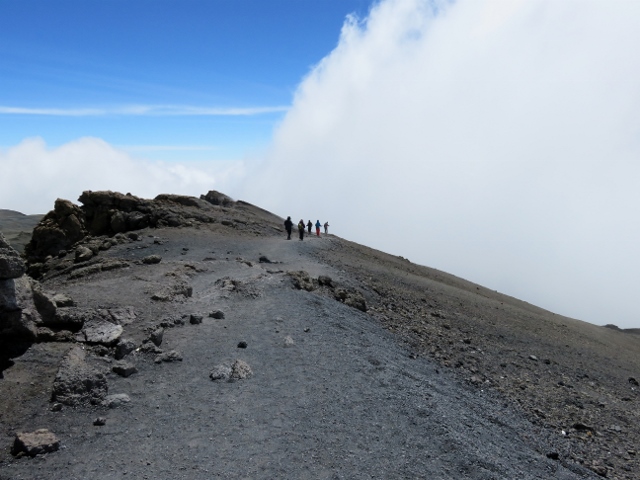
The long, dangerous path back down.
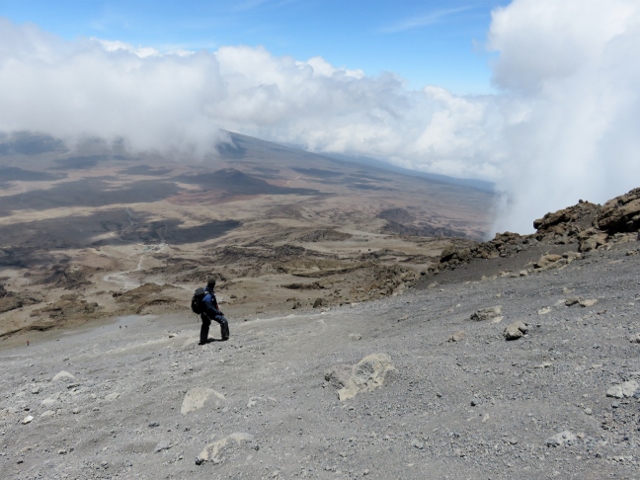
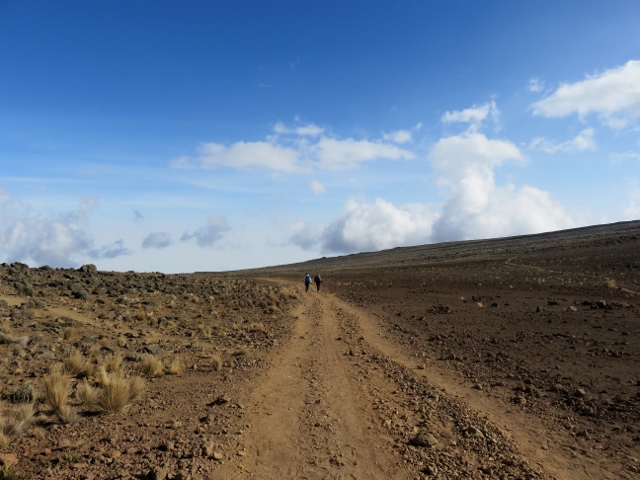
With the vast, expansive views that we were treated to during our descent, it didn’t feel like we were on a mountain, it felt like a national park in the U.S. or even, a small U.S. state. It’s difficult to express just how large Kilimanjaro is.
An elephant flower (impatiens kilimanjari), so named because of the elephant trunk-like protrusion at the bottom. This flower can only be found on Mount Kilimanjaro.

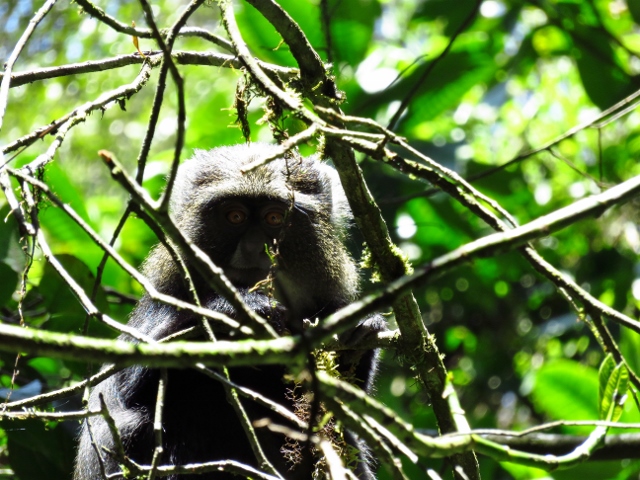
A blue monkey. These monkeys actually look black when they’re up close, but, when viewed from a distance, in direct sunlight, they appear navy blue because of the way that their fur refracts light.
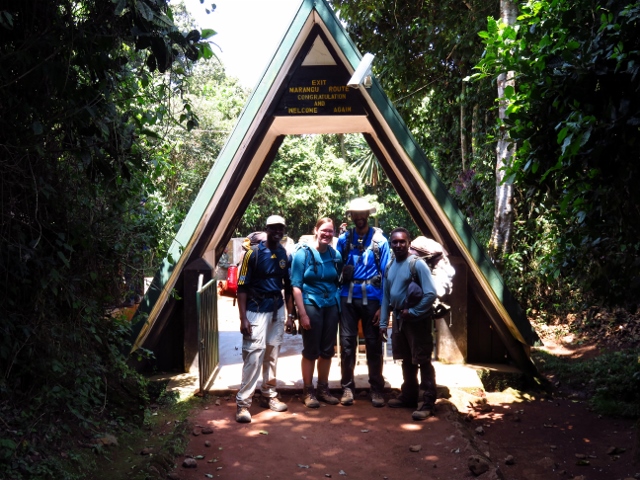
Jill and I at the end of our hike with Ignas and Francis, our two guides.
 STOP BY FOR POT PIE