Hiking Mount Kilimanjaro

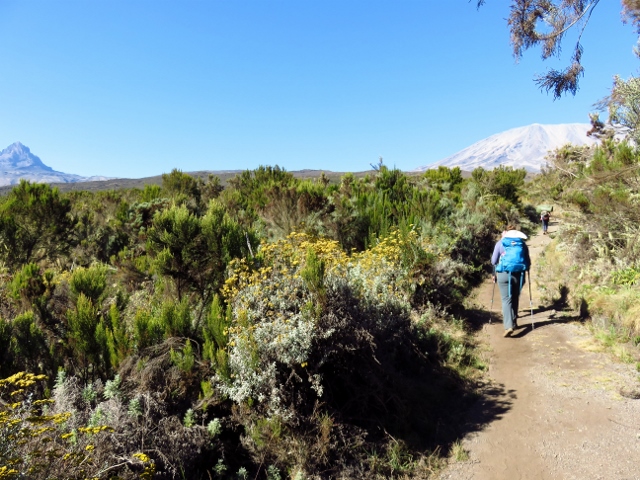
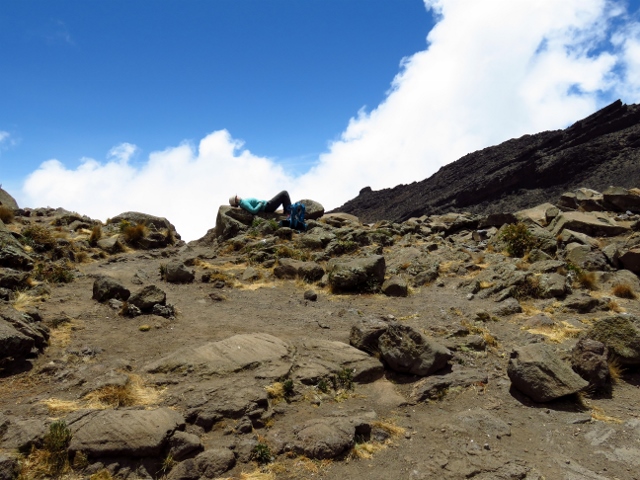
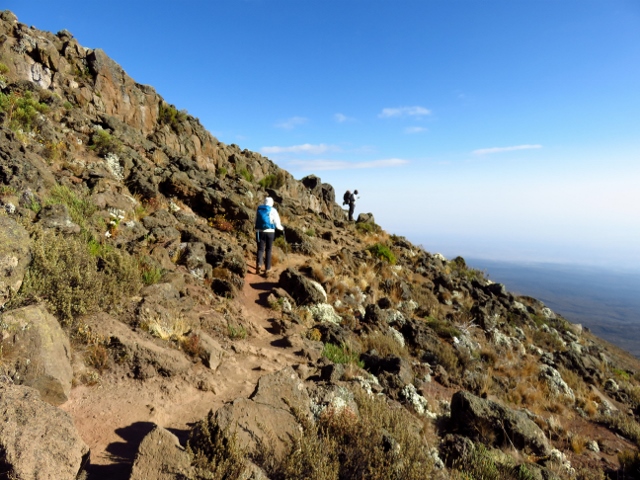
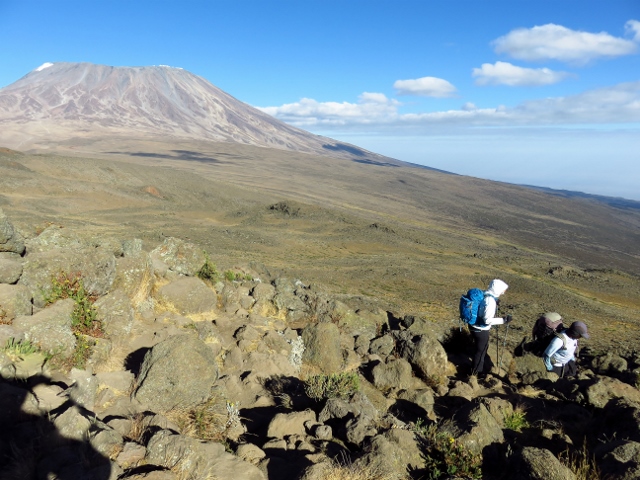
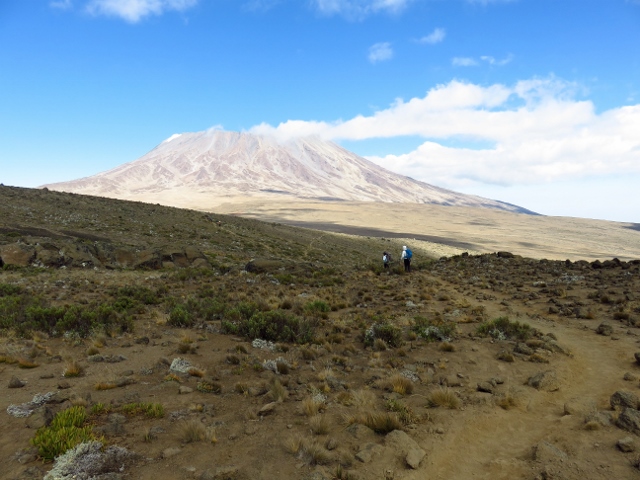
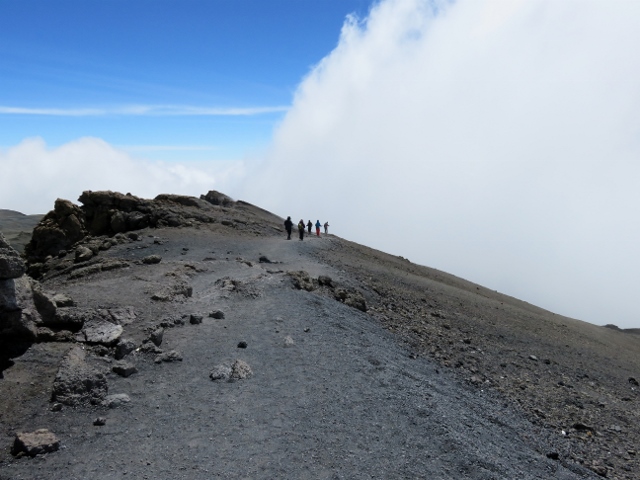
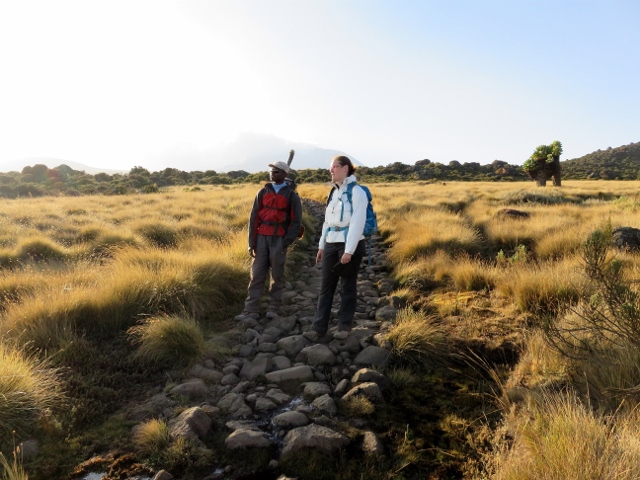
There were many good reasons for Jill and me to come back to Africa but for Jill, this trip was all about the mountain gorillas. She really wanted to see them in their natural habitat (and if an opportunity to do so presented itself, smuggle one of the babies back home to America). Now that the trip is over I’ve got countless experiences that I can look back on, many that I’ll likely remember for the rest of my life, but before I left, the only thing I had on my mind was seeing the top of Kilimanjaro. At nearly 6,000m (20,000ft), this mountain is the highest point in Africa and the tallest freestanding mountain in the world. I knew that climbing it would present a unique challenge. I wasn’t disappointed.
a-640x480

a1-640x480

a2-640x480


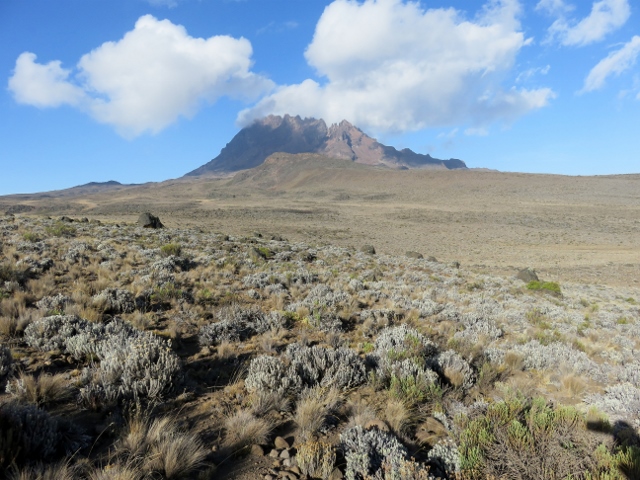
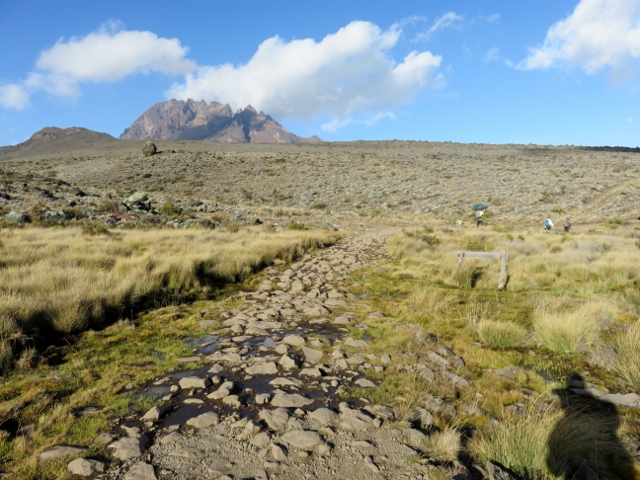
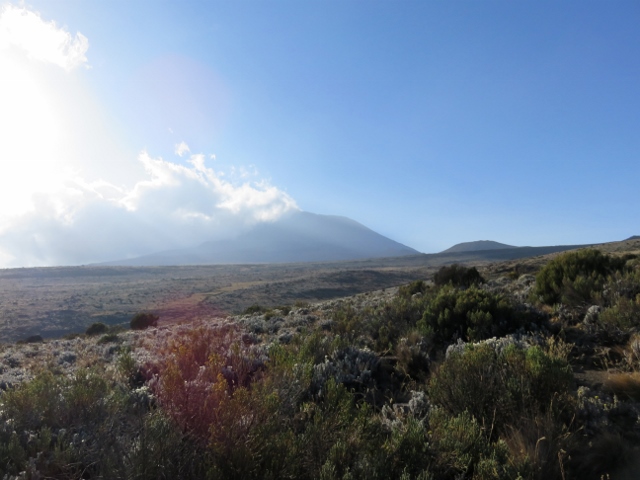
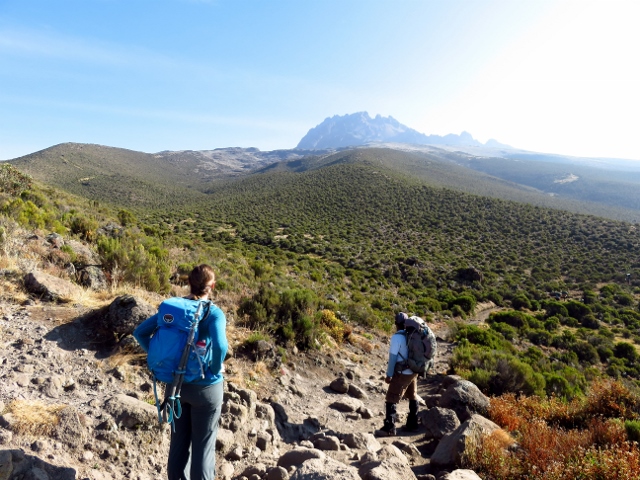
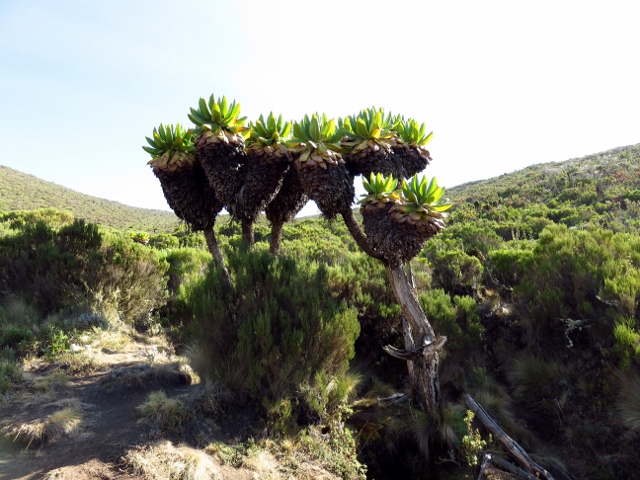
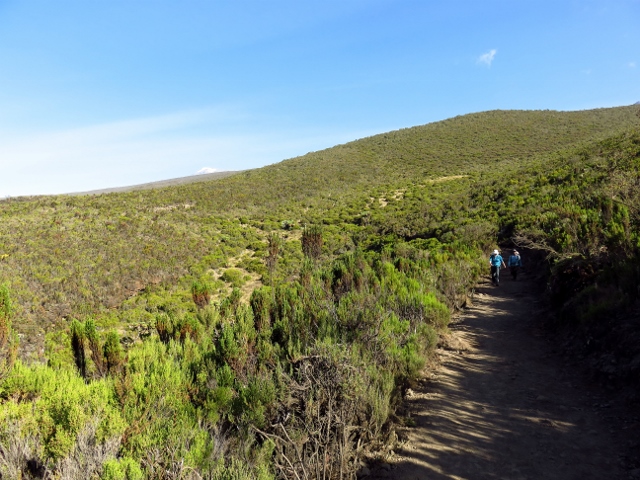
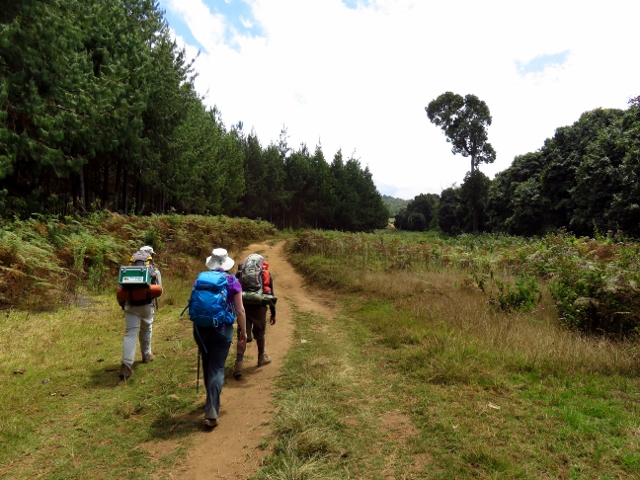
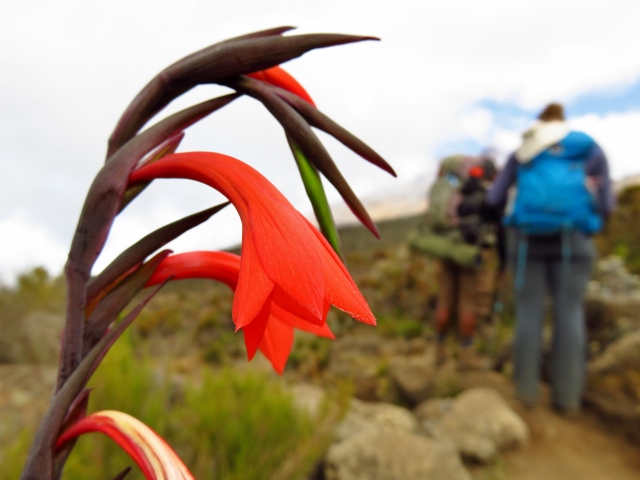
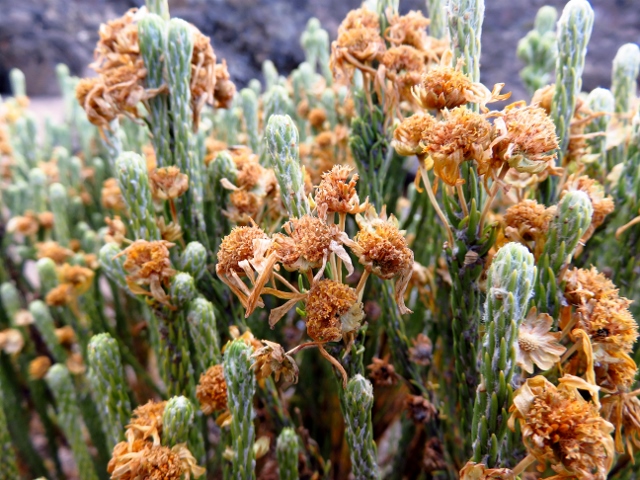
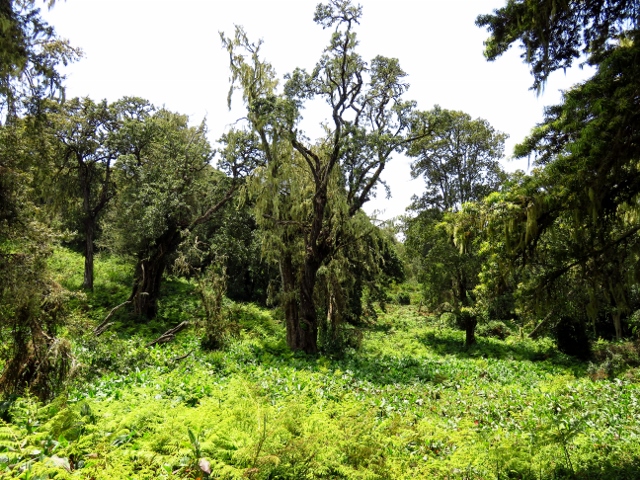
Like most mountains, Kilimanjaro has multiple zones. Seen from afar, it just looks like a single peak made of rock but when you get closer you realise that it’s much more interesting than that. Agriculture, farms, forest, rainforest, large mammals (buffalo, elephants, apes), alpine desert, glaciers, all of these and more can be found on Kilimanjaro.

a3-640x480

a4-640x480

a5-640x480

OLYMPUS DIGITAL CAMERA

a7-640x480

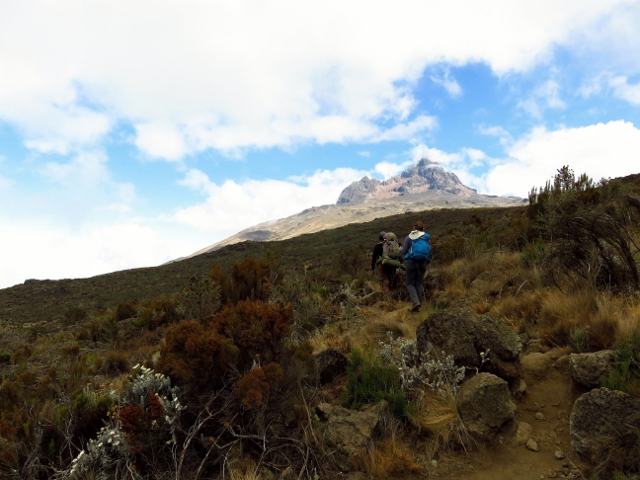
Mawenzi, Kilimajaro’s second highest peak.

a8-640x480

a9-640x480

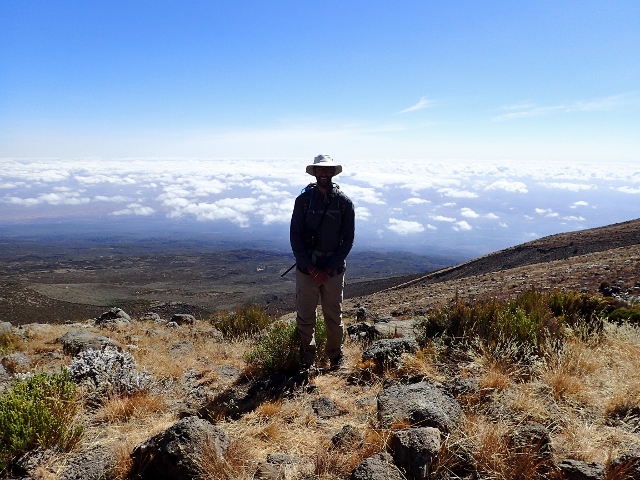
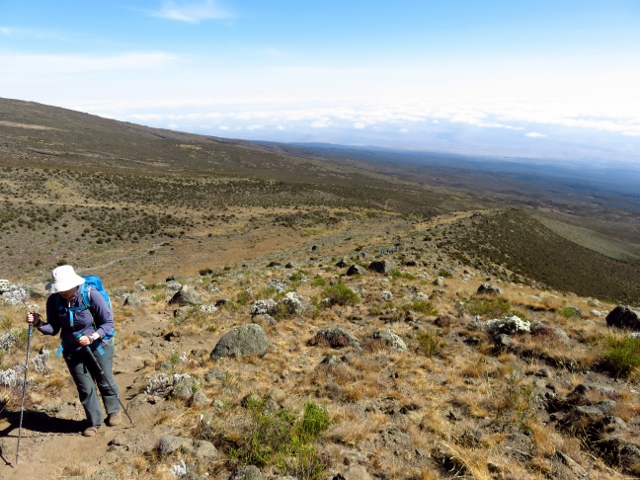
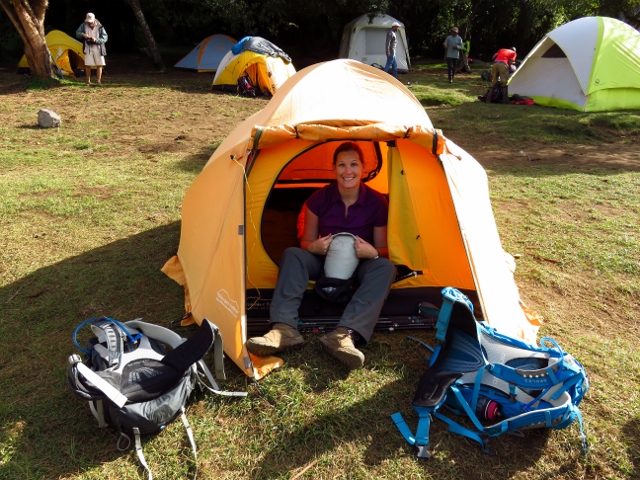
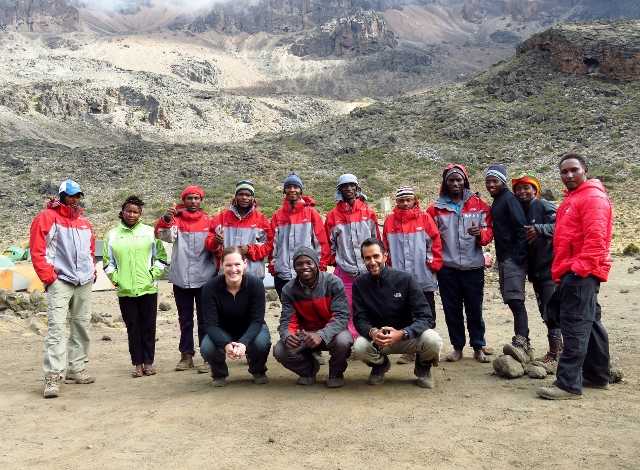
Each day, Jill and I carried four litres of water, our snacks and any clothes that we might need. It was a lot of weight, weight that made the climb more difficult than it otherwise would have been. We didn’t carry the food that we ate for lunch or dinner though, or our tent, or the rest of the clothes that we’d brought along for the hike. It took a small village to get us up the mountain; two guides, a cook and ten porters. To the top and back, we both went a long way but we wouldn’t have got anywhere near as far without such a great crew supporting us!
a10-640x470

a11-640x480

a12-640x480

a13-640x480


a15-640x480

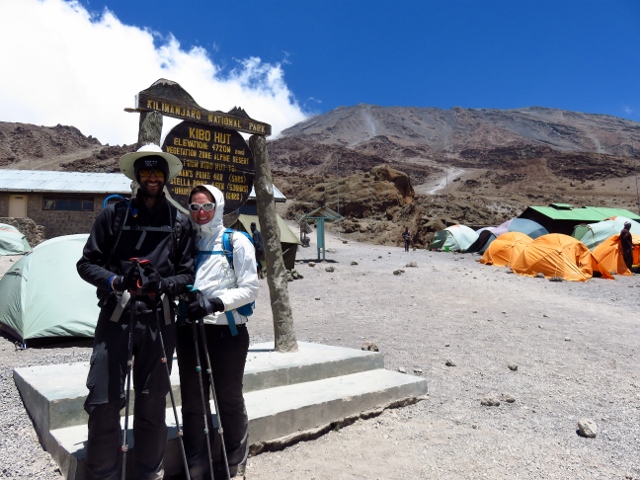
Kibo Hut, the final camp before our summit attempt.
a16-640x480

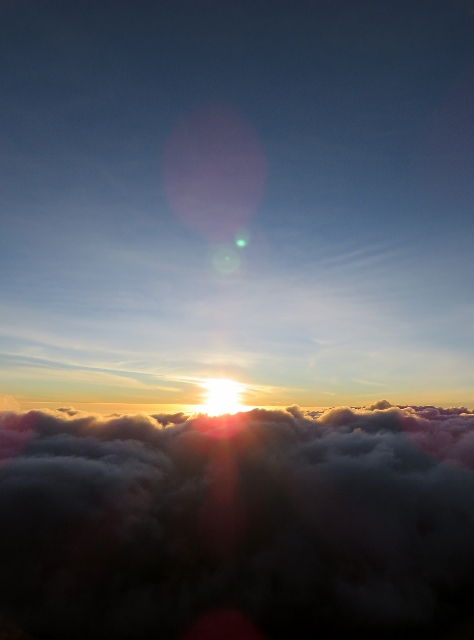
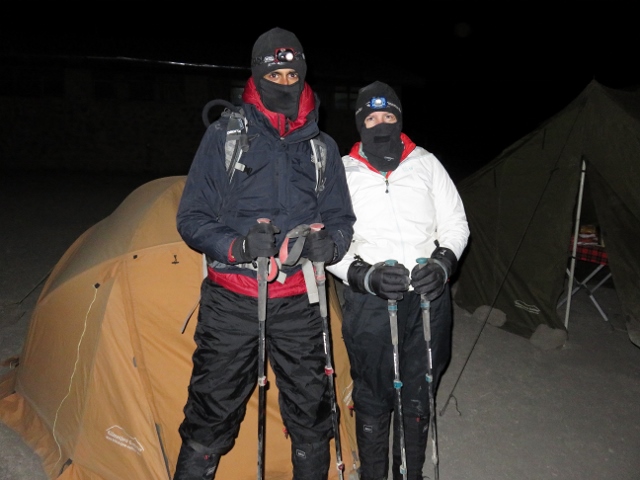
We started the attempt at 23:30 in the hopes of making it to Kilimanjaro’s crater by sunrise.
a17-640x480

a18-474x640

a19-640x480

a20-640x476

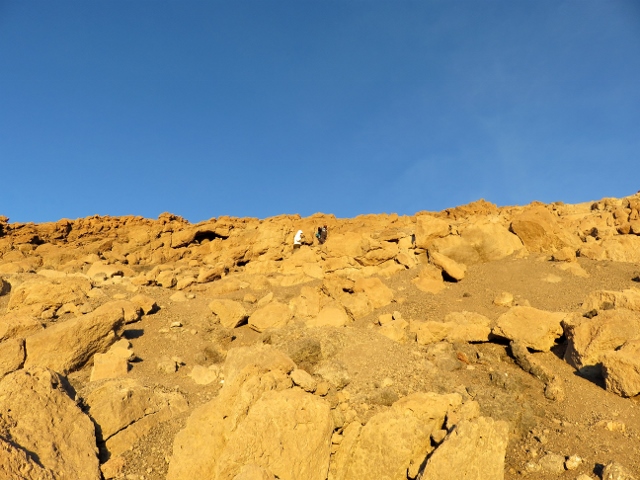
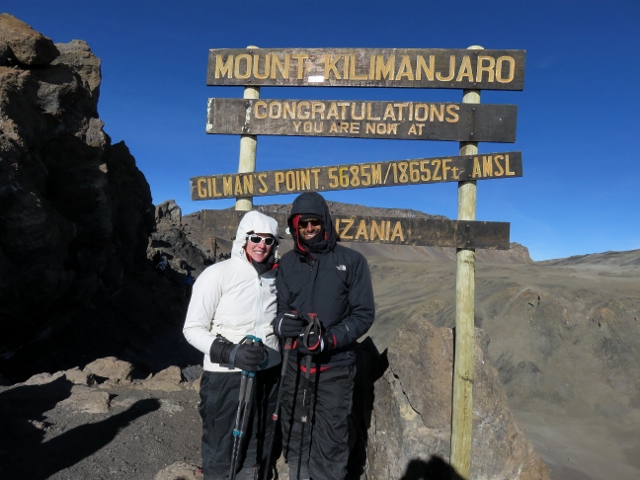
Gilman’s point, the top of Kilimanjaro’s most gruelling, unforgiving climb. Despite being just a short distance from Kilimanjaro’s summit, Uhuru Peak, Jill had to turn back here. The altitude (almost 5,700m, or 19,000ft) at this point, had led to complications with Jill’s vision. She could only see colours and vague outlines of objects and people. This was dangerous not only because she could have fallen to her death by continuing, if she’d gone any higher, she may have risked permanent damage to her eyesight. Each person’s body reacts to these harsh conditions differently; humans are not meant to be up this high. The low air pressure affected Jill more than it did me but the low oxygen level definitely hit me much harder. My body felt like it was shutting down at several points, pushing through that feeling and continuing upward was an incredible struggle. Jill’s sight returned to normal the following morning, after we’d descended 2,000m (6,500ft).
a21-640x480

a22-640x480

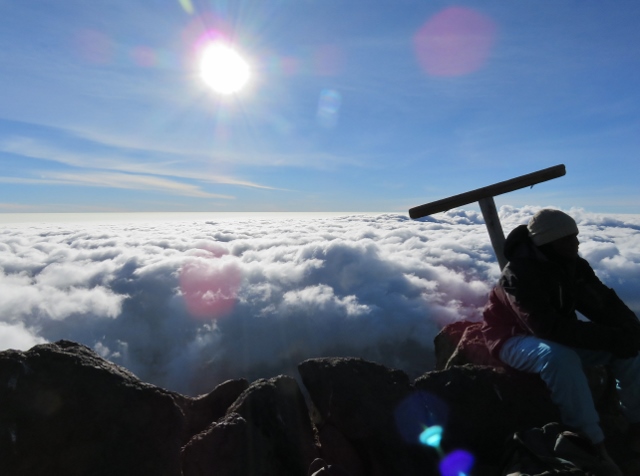
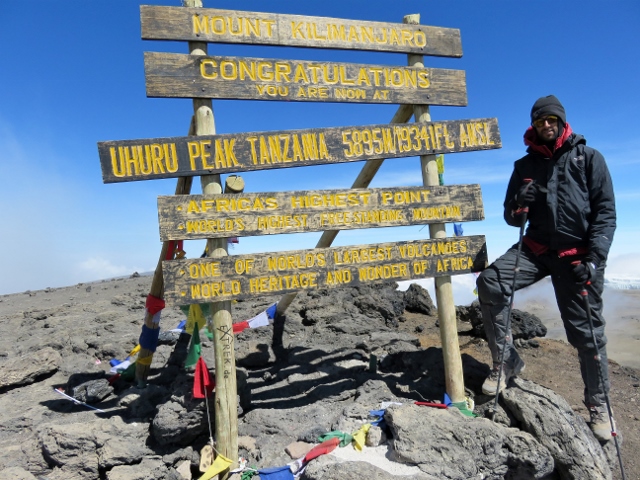
Uhuru Peak, the top of the highest freestanding mountain in the world.
a23-640x480

a24-640x480

a25-640x480

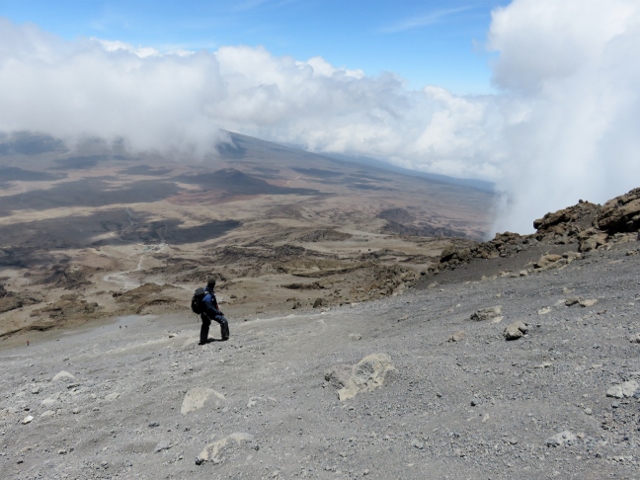
The long, dangerous path back down.
a26-640x480

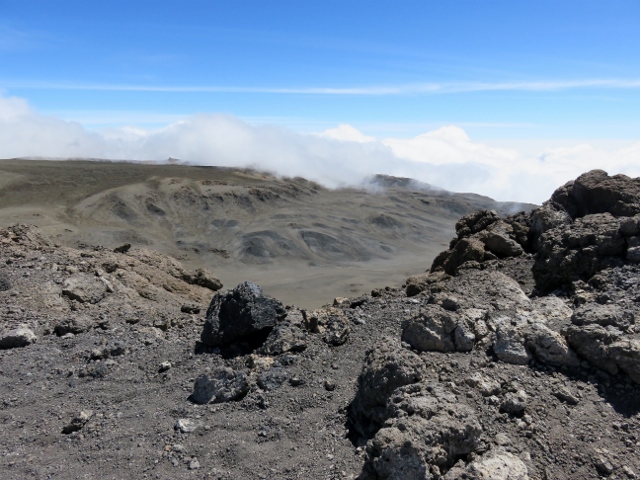
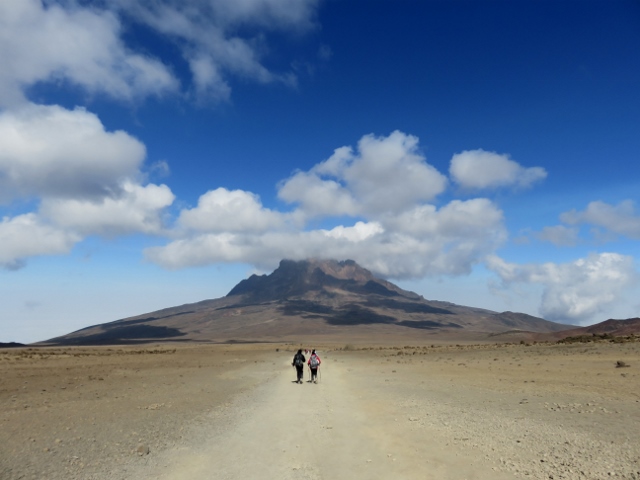
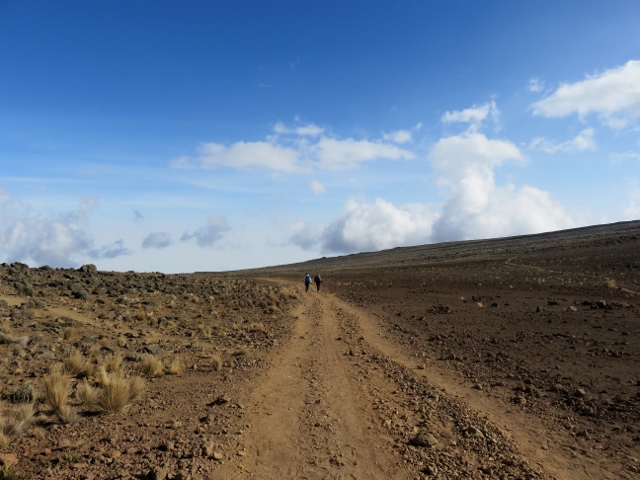
With the vast, expansive views that we were treated to during our descent, it didn’t feel like we were on a mountain, it felt like a national park in the U.S. or even, a small U.S. state. It’s difficult to express just how large Kilimanjaro is.
a27-640x480

a27a-640x480

a28-640x480

a29-640x480

a30-640x480

a31-640x480

a32-640x480

a33-640x480

a34-640x480

An elephant flower (impatiens kilimanjari), so named because of the elephant trunk-like protrusion at the bottom. This flower can only be found on Mount Kilimanjaro.

a35-640x480

a36-640x480

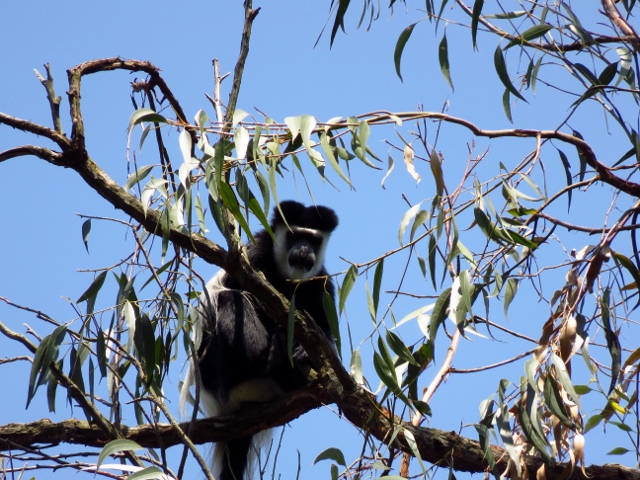
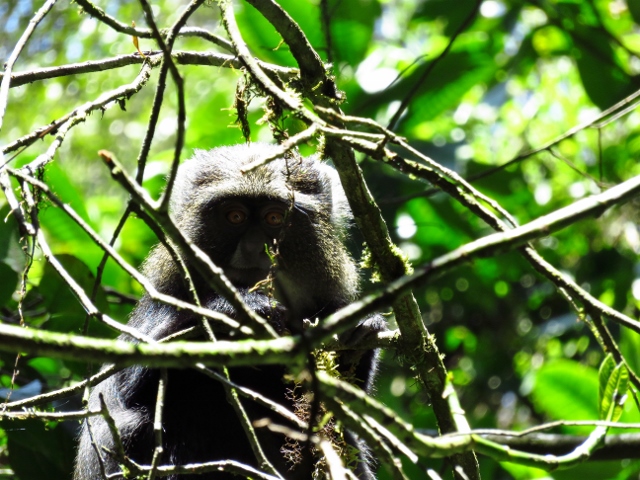
A blue monkey. These monkeys actually look black when they’re up close, but, when viewed from a distance, in direct sunlight, they appear navy blue because of the way that their fur refracts light.
a37-640x480

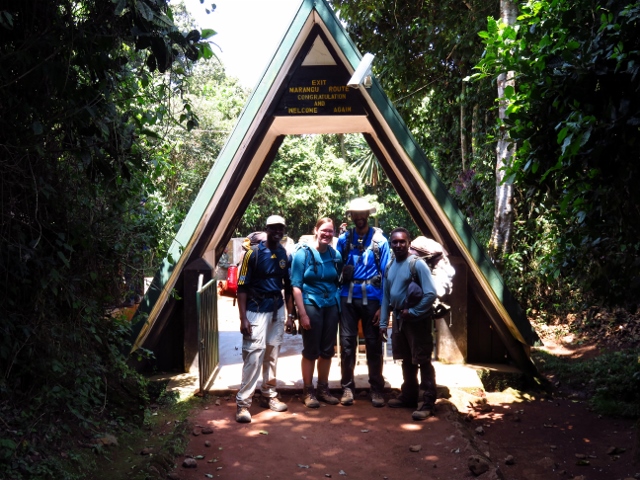
Jill and I at the end of our hike with Ignas and Francis, our two guides.
a38-640x480

Snapshot of East Africa (Part 2)

… Continued from previous post.

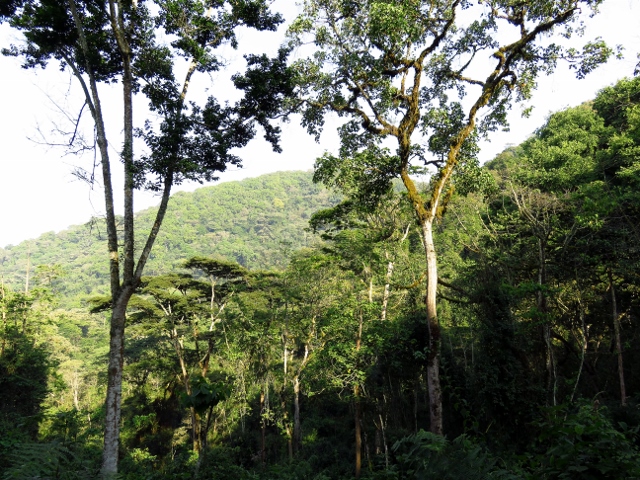
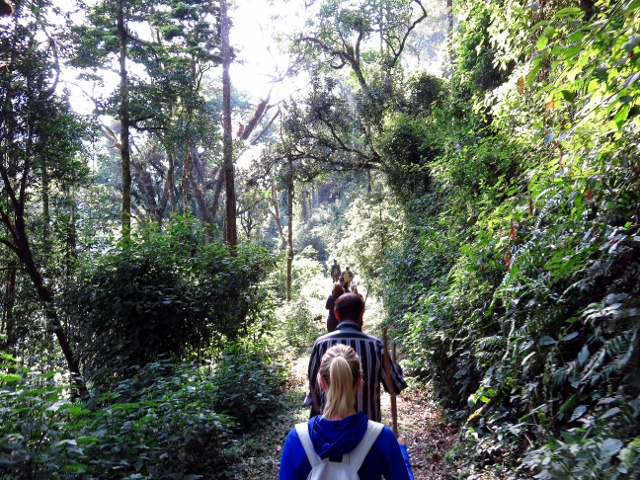
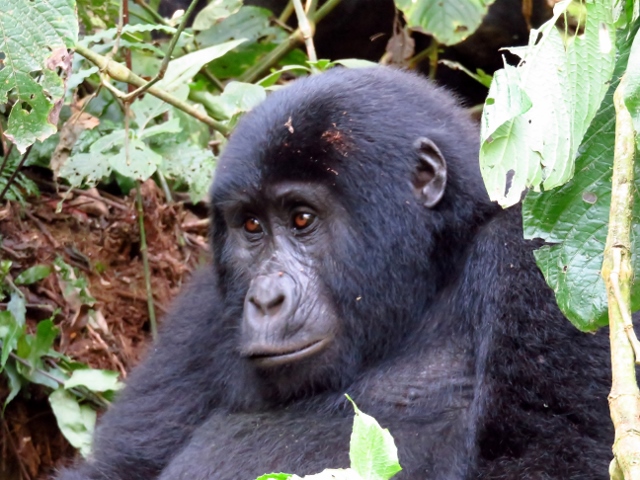
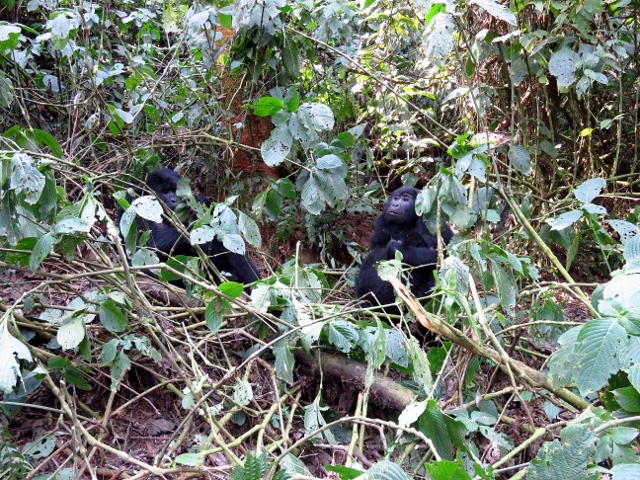
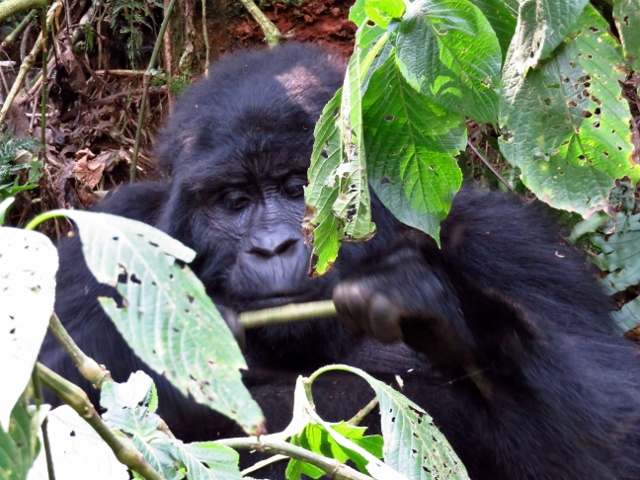
Trekking through mountainous jungle to find mountain gorillas. While I was here I learned that mountain gorillas have an exceptionally small environment in which they can actually live; only here, in this protected jungle and in Virunga National Park (which is shared by Uganda, Congo and Rwanda). (The gorillas that you see in zoos are lowland gorillas, not mountain gorillas like these). Even more surprising was that there are only 800 mountain gorillas in the world.

img_0535-640x480

img_0540-640x480

img_0551-640x480

When we turned off the well-maintained path, down into the real jungle, navigating the environment became much more dangerous. If it wasn’t for the thick mesh of interconnected vines underfoot, and all of the other small plants holding everything together, my boots would have been sliding out from under me constantly. Vines hung from everywhere, we had to avoid plants with sharp thorns high enough/low enough to catch you in the face and torso (everything was so connected that it was difficult to tell which way the plants were coming from), there were stinging nettles all over the place. The vegetation on either side of us was so dense that you couldn’t really see through it, our guide had to go to town with his machete for us to even get through at all, there weren’t really any ideal spots for foot placement; you had to make your own on the way down either by digging in deep or making sure that your foot would be caught by a vine if you slipped (and if you did actually slip, the vine would be just as likely to injure you as save you). There was a close call when one of the gorillas mock charged us too.

img_0554-640x480

img_0563-640x480

img_0578-640x480

img_0580-640x480

img_0582-640x480

img_0640-640x480

img_0676-640x480

This was less a diving platform and more a tree leaning over the lake, with some wooden boards nailed on to it. Even the gentle breeze from the water announced itself loudly when I was stood up at the top.

OLYMPUS DIGITAL CAMERA

OLYMPUS DIGITAL CAMERA

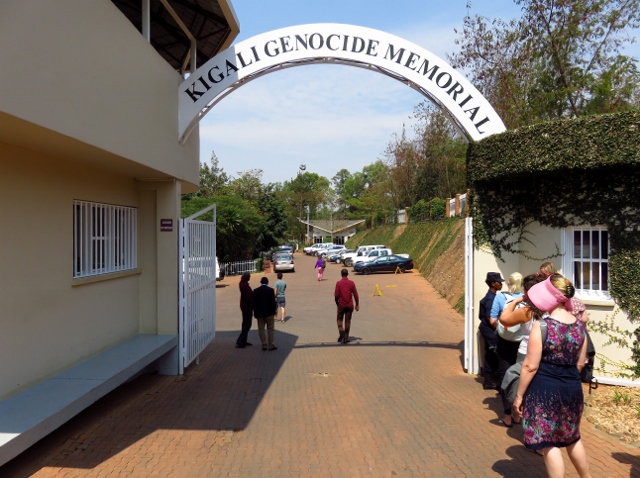
Day trip to the Kigali genocide memorial in Rwanda.

img_0720-640x480

img_0724-640x478

img_0727-640x479

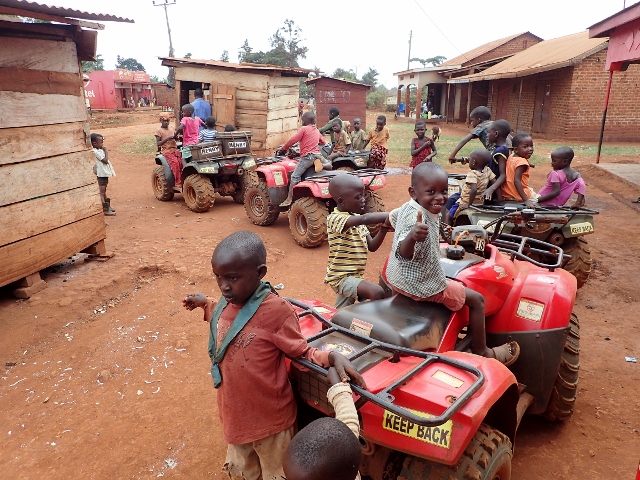
Quad biking through Ugandan villages.
OLYMPUS DIGITAL CAMERA

OLYMPUS DIGITAL CAMERA

OLYMPUS DIGITAL CAMERA

OLYMPUS DIGITAL CAMERA

OLYMPUS DIGITAL CAMERA

A 75 metre zip line at our campsite.

OLYMPUS DIGITAL CAMERA

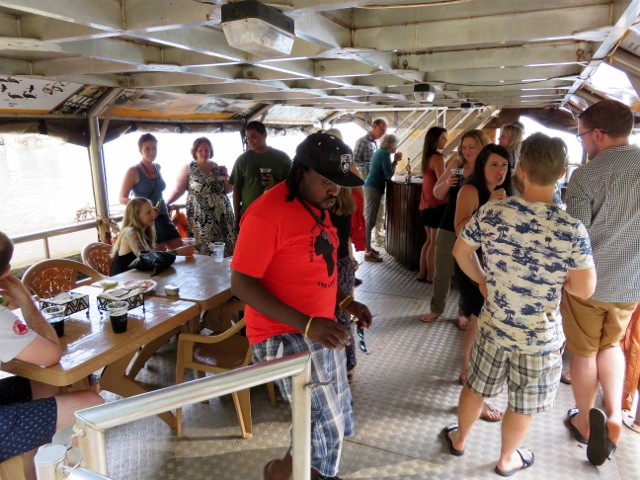
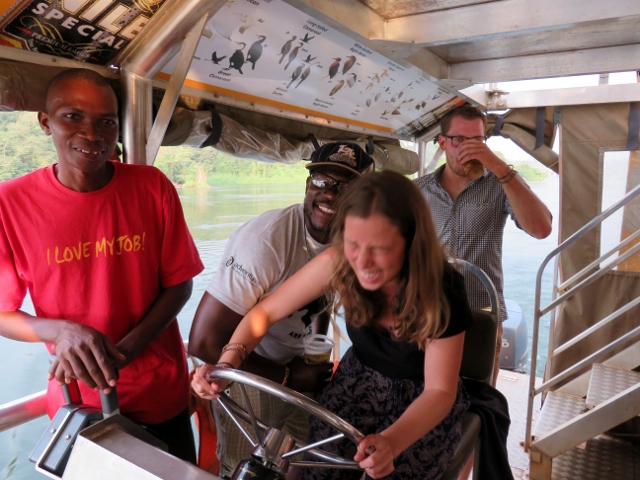
Booze cruise! Based on what went on, I’m amazed that we all made it back in one piece. Things got much messier later at the bar though…

img_0761-640x480

img_0762-640x480

img_0774-640x480

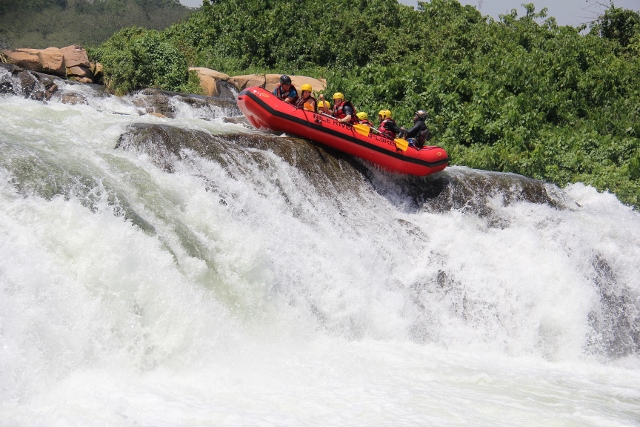
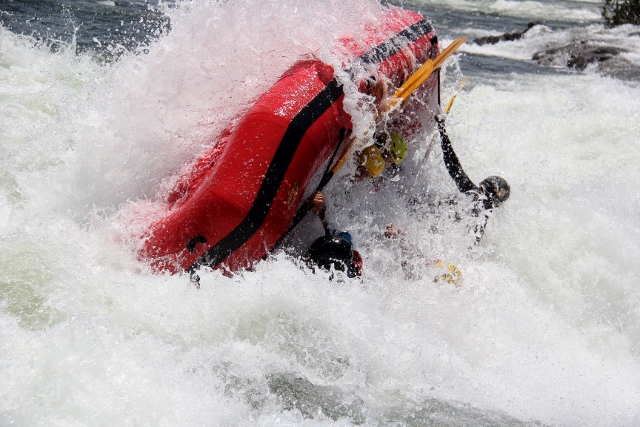
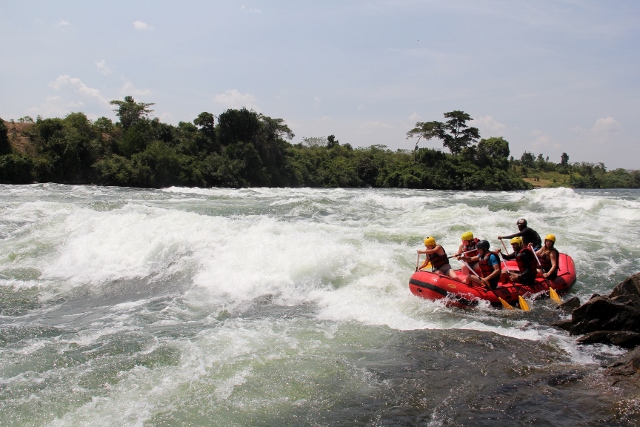
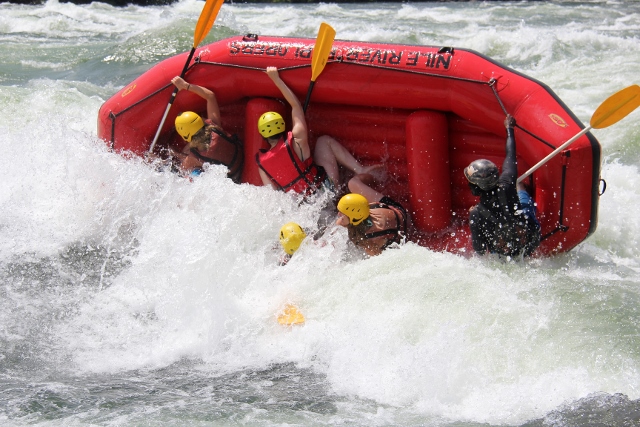
White-water rafting grade 5 rapids on the River Nile. This was an intense experience and led to some unpleasantly long stretches under the violent waves. The choices I’ve made in life have taken me down some interesting paths and I’ve had more than my fair share of adventure, but rafting the fifth rapid on this river stands out. It’s probably the closest I’ve come to losing my life. One of the good friends that I made on this trip was right next to me when our raft flipped and dislocated his shoulder while underwater, Jill and I went with him to a tiny Ugandan medical centre to help him get it sorted out.
img_0774a-640x427

img_0774c-640x427

img_0774b-640x427

img_0774d-640x427

img_0774e-640x427

img_0774f-640x427

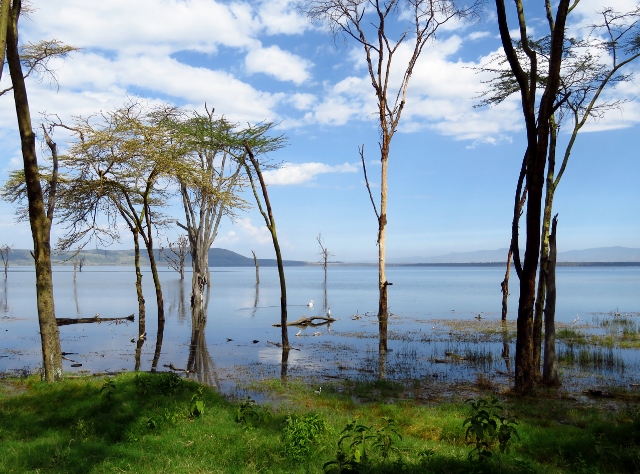
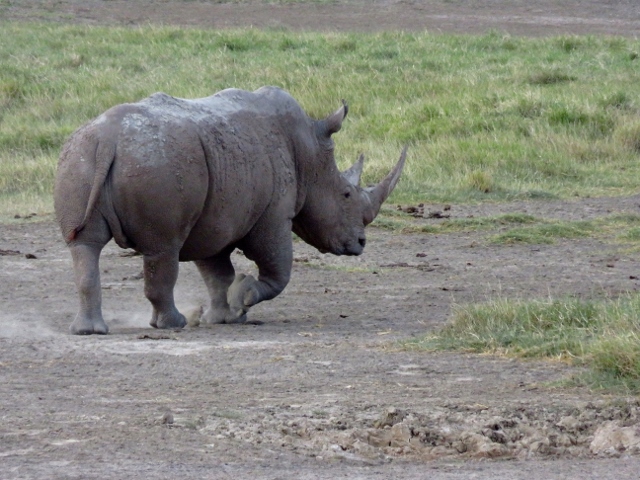
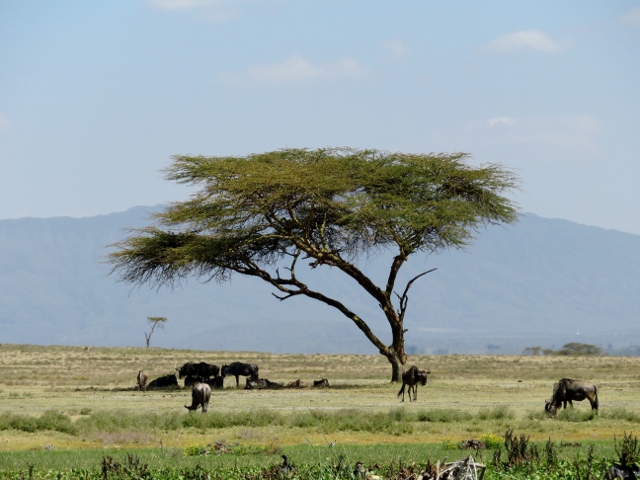
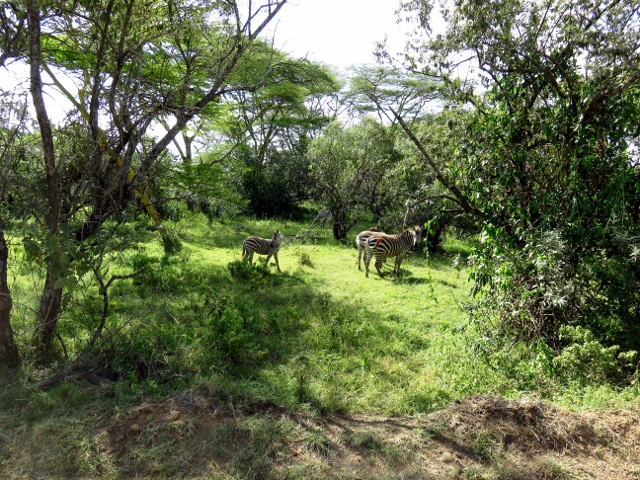
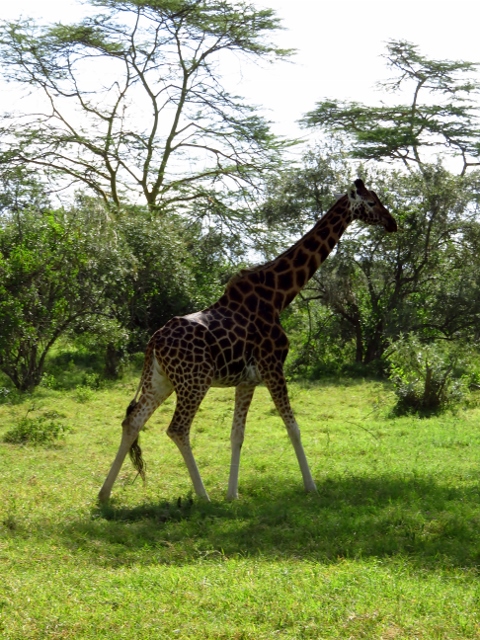
Game drive at Lake Nakuru National Park in Kenya.

img_0895-640x480

img_0938-640x474

img_0944-640x480

img_0953-640x480

img_0954-640x477

img_0967-640x480

img_0985-640x480

img_0999-480x640

img_1008-640x480

img_1035-640x480

img_1068-640x479

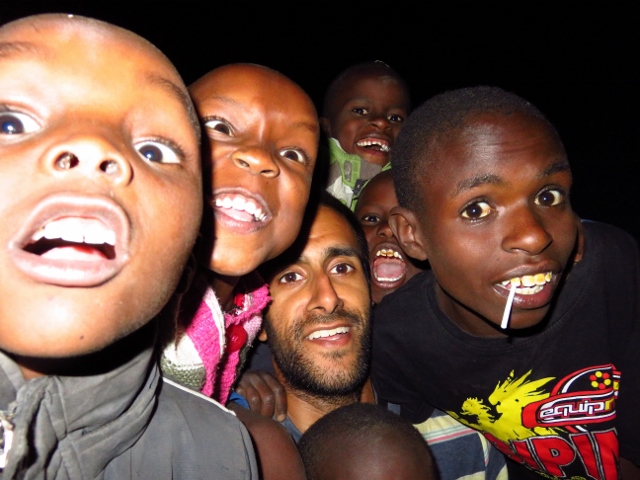
Friendly kids that lived near our final campsite of the trip. They all ran out to greet us as soon as they heard our truck pulling up.

img_1103-640x480

Snapshot of East Africa (Part 1)

The last time I was on the continent of Africa, I met the woman that would eventually become my wife. There were some setbacks to be sure: an attempted stabbing, the fact that my jeep was almost gored by a rhino, some unpleasantness with a group of ravenous baboons… but all things considered, I’d say it went pretty well. I had incredible experiences in each of the countries that I visited, did a lot of things that I hadn’t done before and made some lifelong friends. Africa is quite possibly my favourite continent, to say that I was happy being back would be an understatement of the highest order.

This latest trip took Jill and me through four new countries: Kenya, Uganda, Rwanda and Tanzania. As you can imagine, we did quite a lot during our travels and my personal account of the trip ran to well over 40,000 words (for reference, the typical length of a mystery novel is about 60,000 words). I always write my travel logs with an audience in mind but as often seems to be the case, this one is too long to share here. Instead, I’ll walk you through our journey with a photo diary.

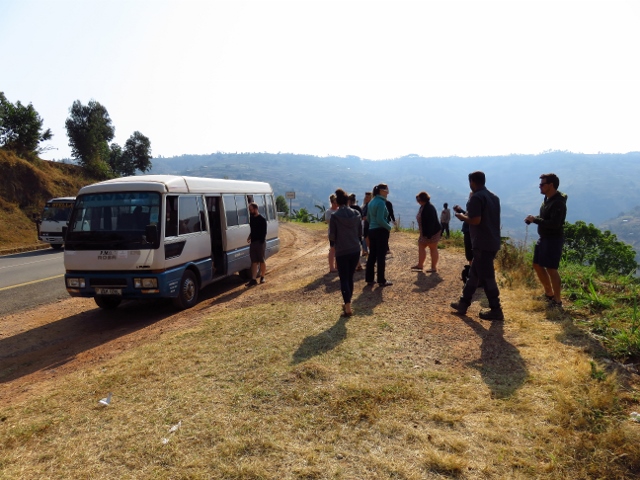
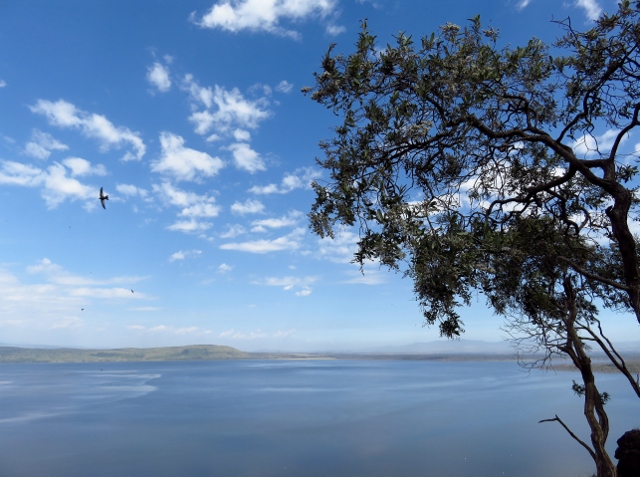
The first of many scenic viewpoints during our month in East Africa.

img_0013-640x478

A “superb starling”.

img_0025-640x480

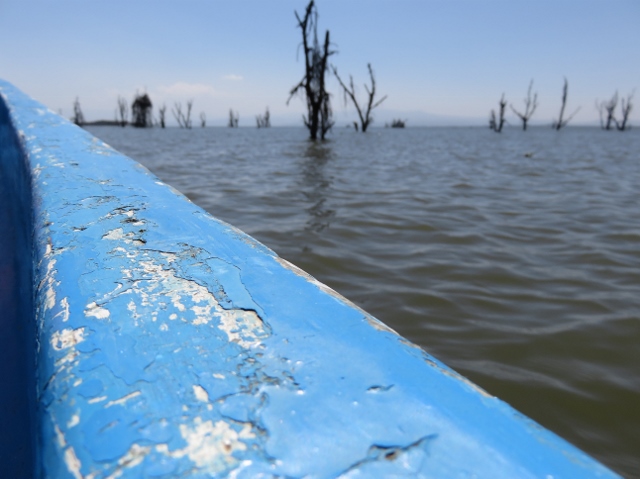
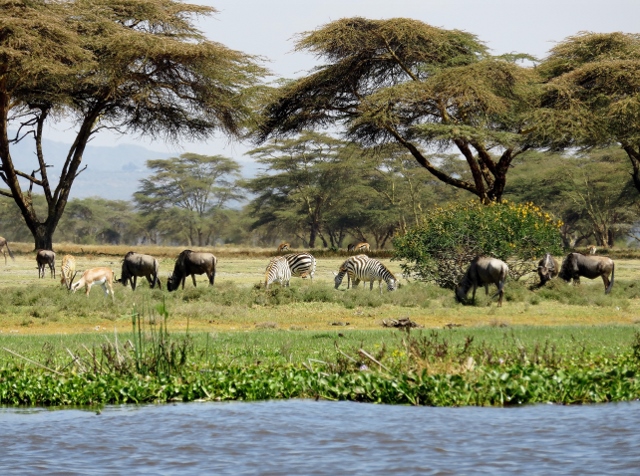
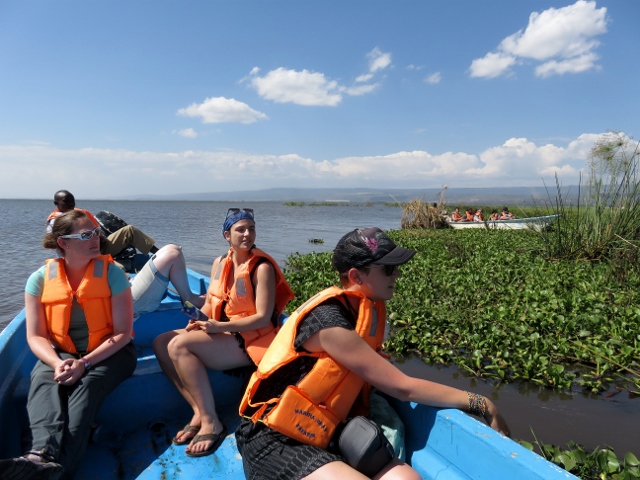
Pictures from our hippopotamus-spotting boat ride on Kenya’s Lake Naivasha. The lake included an island-like peninsula about half an hour from our campsite on the lake shore. The peninsula was private land but from the water we could get pretty close. We saw impalas, zebras, wildebeests and a few different kinds of antelope.

img_0061-640x480

img_0070-640x479

img_0075-640x480

img_0078-640x480

img_0093-640x480

img_0113-640x480

img_0123-640x480

img_0125-640x476

img_0142-640x480

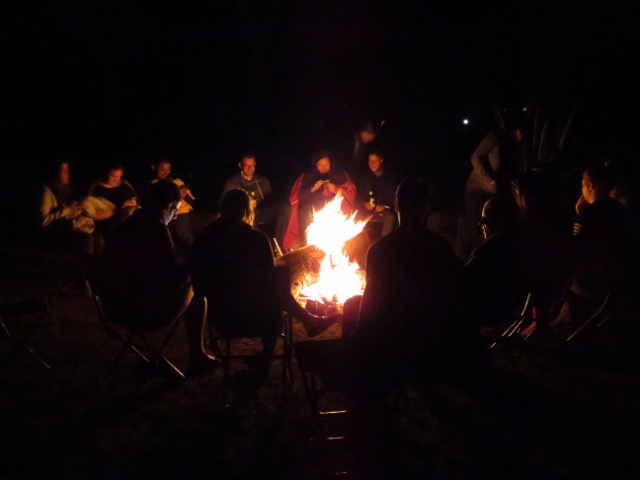
Our first campfire of the trip.

img_0157-640x480

The first of three equator crossings.

img_0169-640x480

This was probably the nicest campsite that we stayed at during the month we were away.

img_0181-640x480

img_0197-640x480

The second equator crossing.

img_0228-640x480

img_0243-640x480

img_0247-640x480

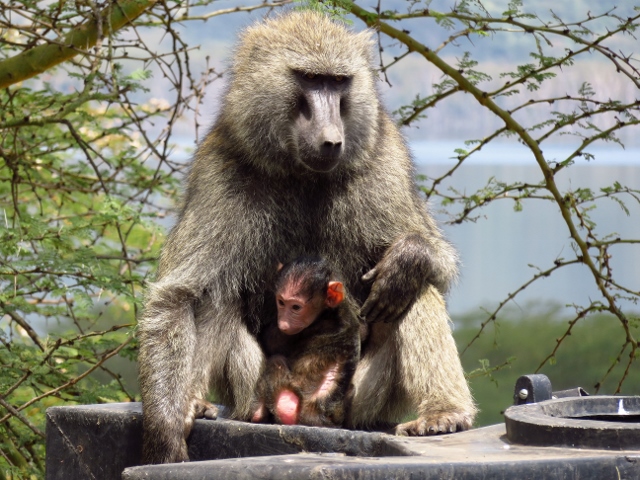
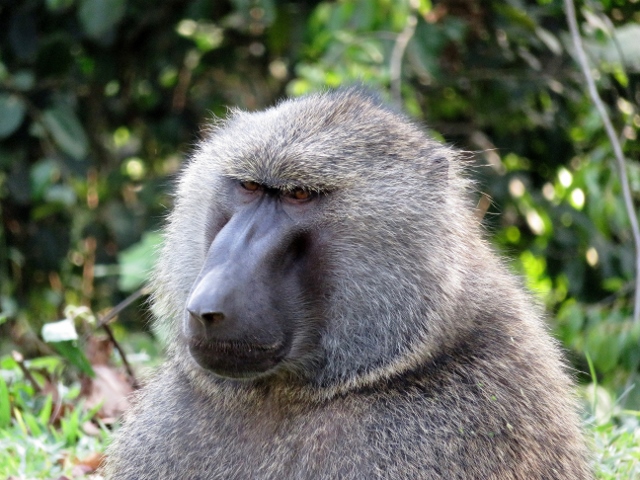
We found these baboons just wandering around one of our campsites. We kept to ourselves so they didn’t bother us… much.

img_0272-640x480

img_0298-640x480

img_0310-640x480

img_0311-640x480

Akole tea plantation. The tea was originally planted by Indians that were brought over to Uganda for the sole purpose of introducing the country to the lucrative tea market. They owned, operated and maintained Uganda’s plantations until Idi Amin went full crazy in the 1970’s and started forcibly removing various groups from the country. Indians were among these groups.

img_0322-640x480

img_0323-640x480

img_0343-640x480

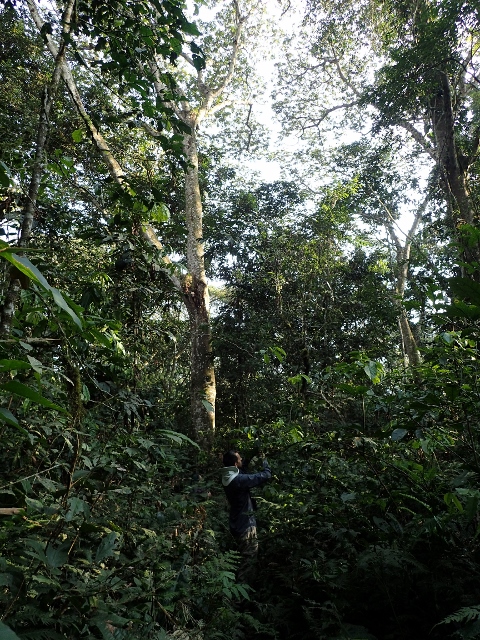
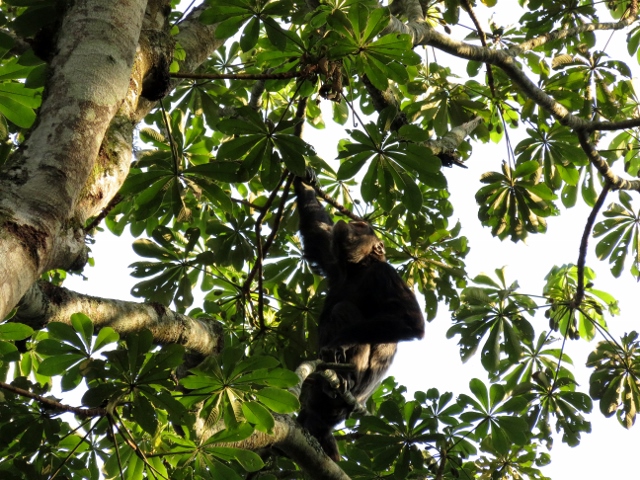
These pictures were taken while trekking through dense jungle to find chimpanzees.

OLYMPUS DIGITAL CAMERA

img_0412-640x480

img_0416-640x480

img_0440-640x480

A weird looking monkey that I saw back at our campsite

img_0480-640x480

This post is continued below…