… Continued from previous post.
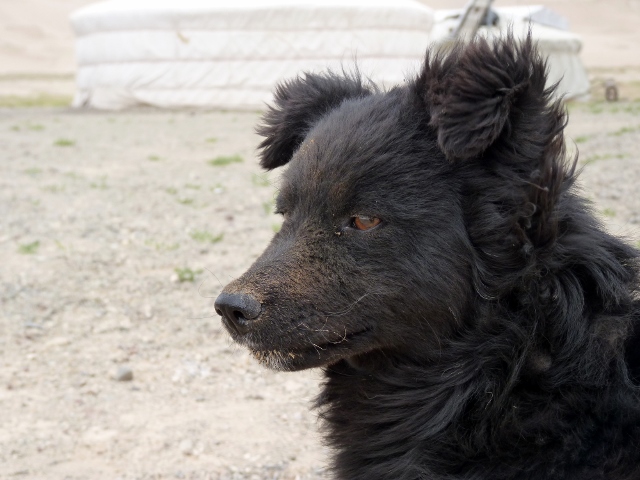
This dog’s name is Simba, he belongs to one of the families that we stayed with. Jill loved playing with him and I loved watching him hunt the lizards he spotted in the desert.
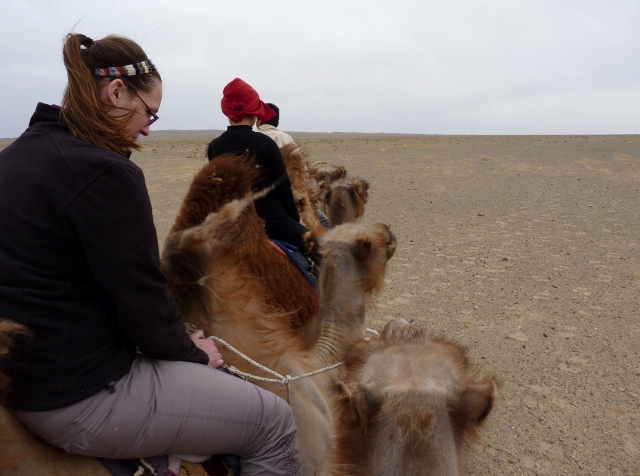
These two-humped camels give off a surprising amount of heat; I felt like I was sitting on a heated car seat the entire time.
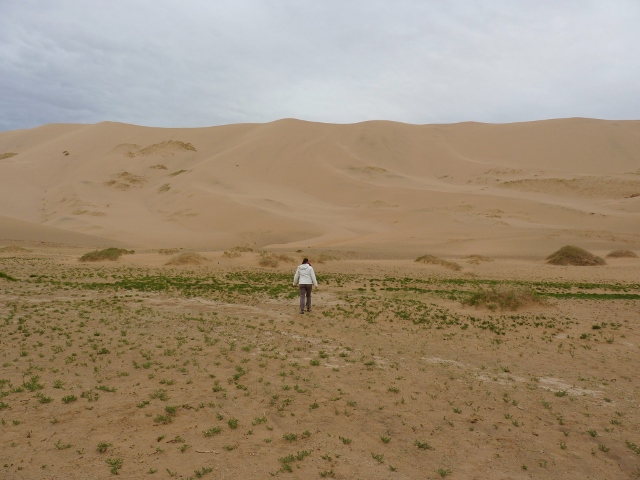
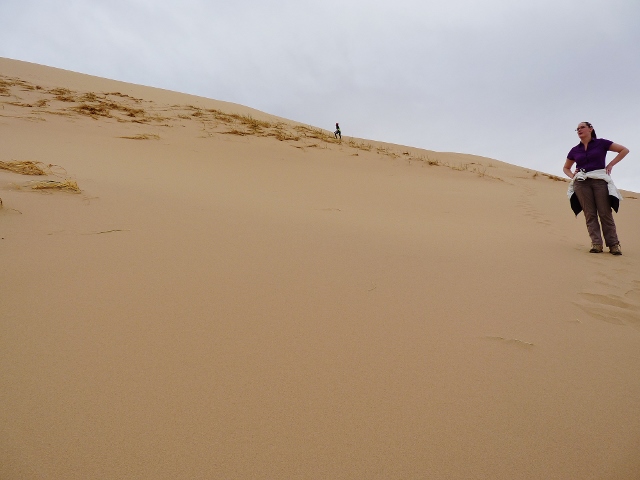
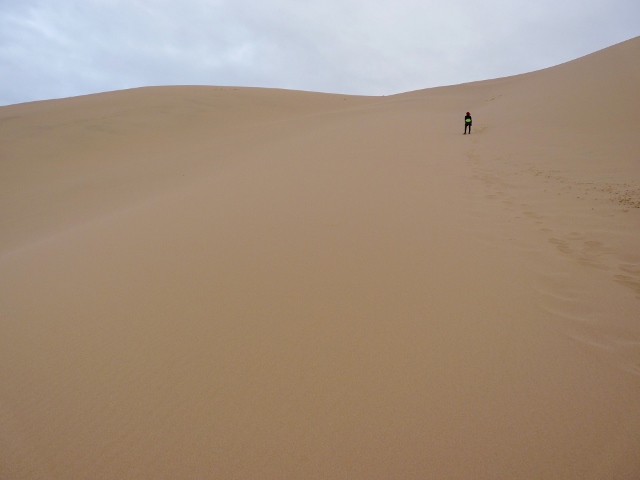
Climbing Khongor, the largest of Mongolia’s sand dunes, started off straight forward but eventually became an exercise in frustration. Towards the top, the angle of ascent was 65 – 70 degrees and at that gradient, the sand is cruel and unforgiving. I must have climbed the same five metre stretch at least ten times, it was incredibly demoralising and it didn’t help that by that point, my boots and socks were completely full of sand.




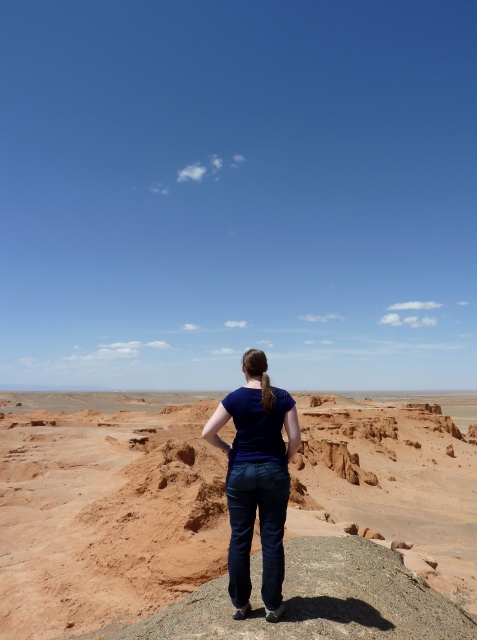
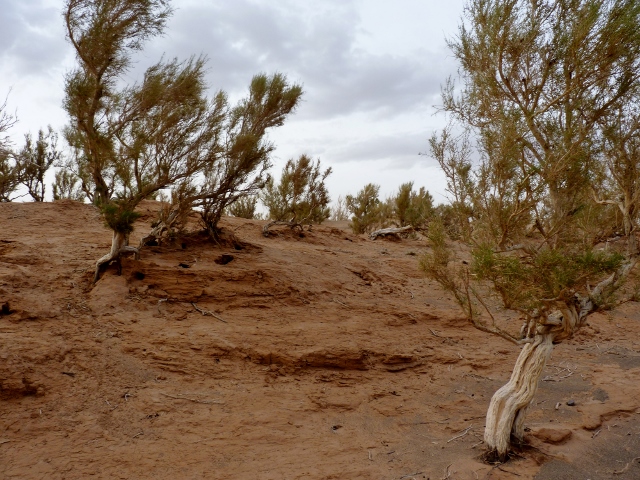
The Bayanzag, rock formations in the desert were reminiscent of America’s Grand Canyon (though on a much smaller scale) and Rich of Saxaul, a petrified forest, was close to one of the families that we stayed with.

One of our lunch spots.
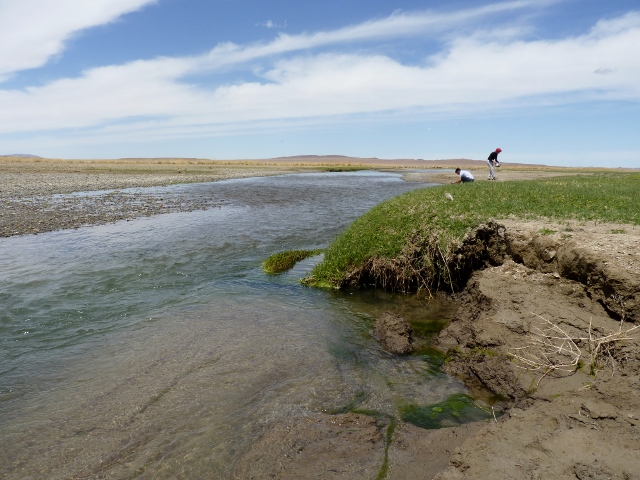
A well near a monastery. The water we drank here is believed to have healing properties.

One of the camps that we stayed at.
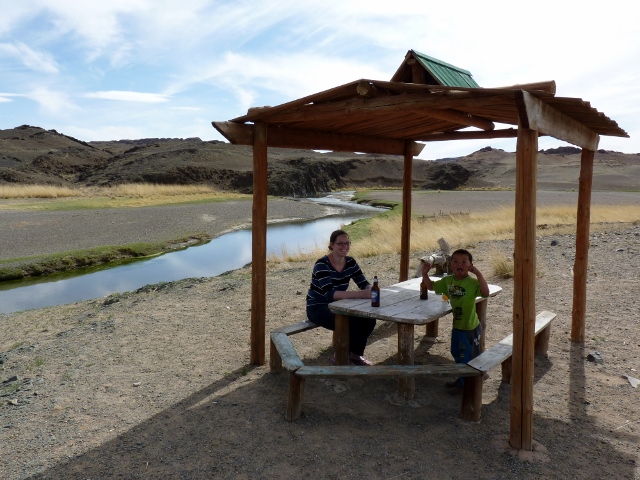

Wild Mongolia.


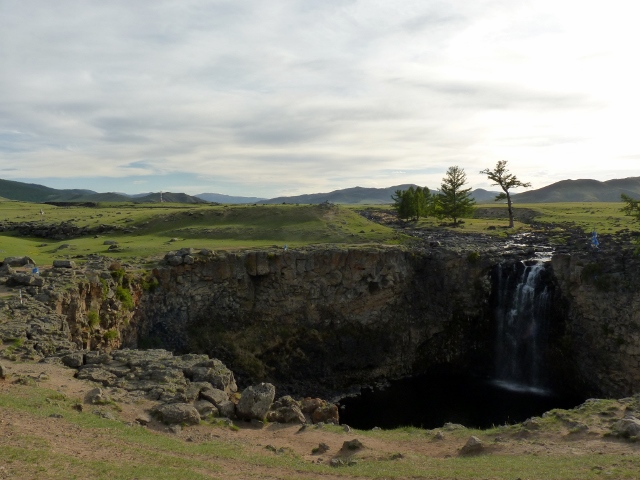
Orkhon Falls.
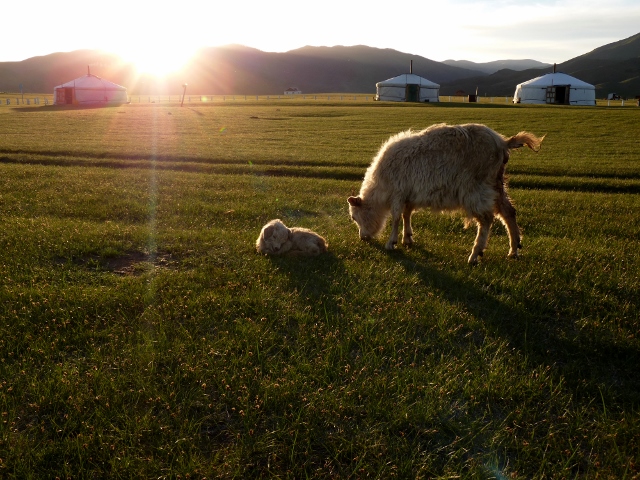
This unbearably cute baby goat still had its umbilical cord attached, it was less than a day old when these pictures were taken.

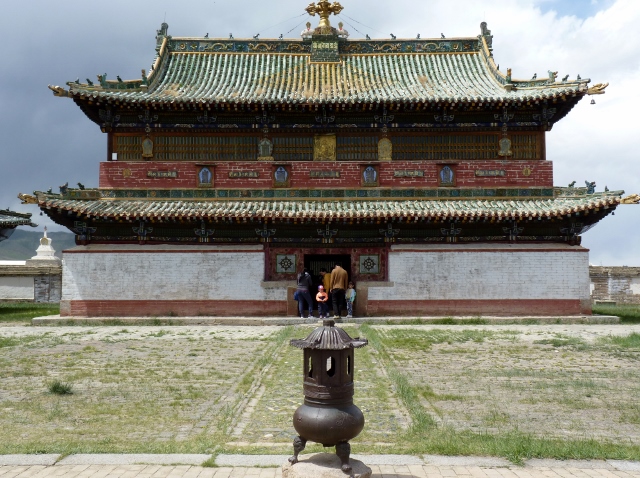
A building from the Erdene Zuu monastery complex. This was one of the few monasteries to survive the religious purge Mongolia suffered at the hands of the Soviets.
Mongolian barbecue!

The train that we’d learn to see as home.

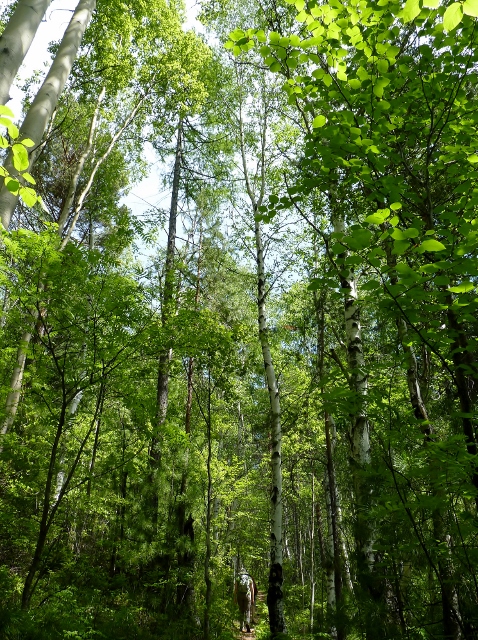
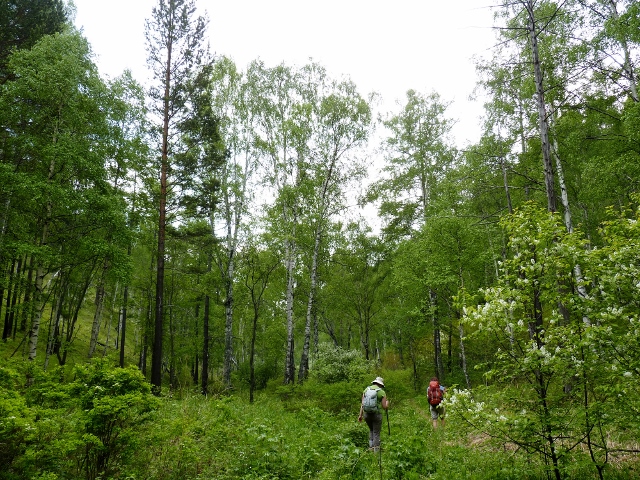
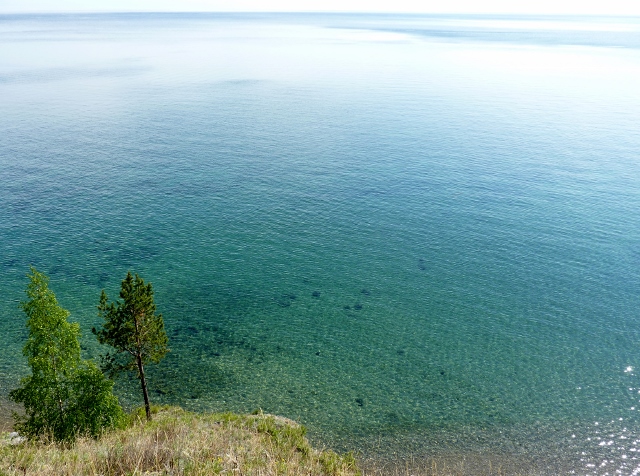
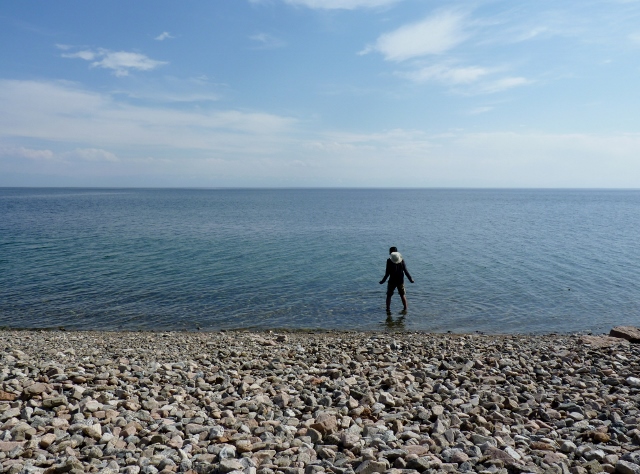
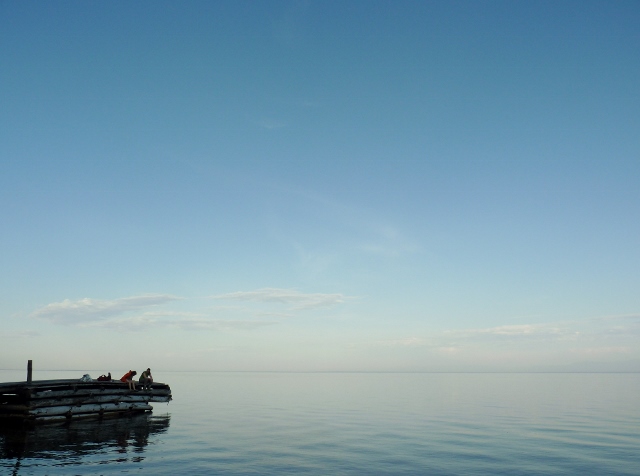
The pictures below were taken while hiking the Great Baikal Trail. Lake Baikal is known as the Blue Eye of Siberia and is the oldest, largest and deepest freshwater lake in the World. It contains more than 20,000 cubic km of water, more than all five of America’s great lakes combined. If the world’s drinking water ran out tomorrow, Lake Baikal could supply the entire population for the next forty years. By virtue of the fact that it contains so much water (and the purifying action of natural sponges at its depths), Baikal water is incredibly pure and completely safe to drink. Jill and I didn’t drink anything else while we were there.




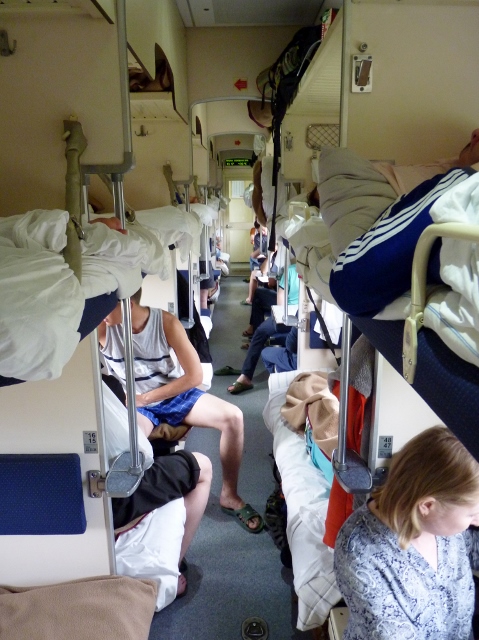
The train we slept on for three nights. Jill and I were the only non-Russian speakers on board.
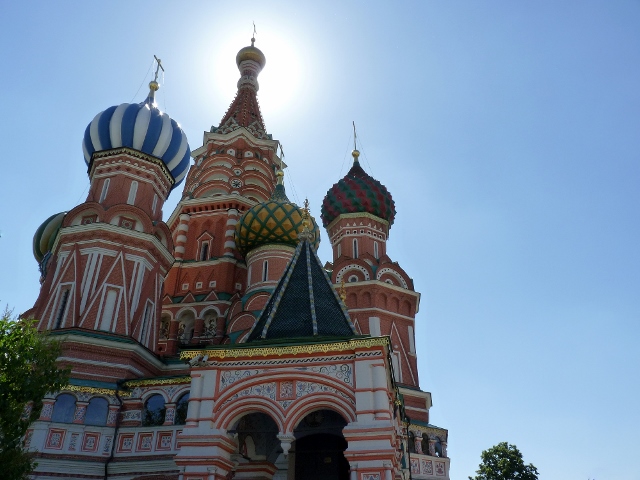
St. Basil’s Cathedral in Moscow’s Red Square.
 STOP BY FOR POT PIE
Lovely. Old age is catching up with us and physical exerrtion is a thing of the past so it was great to see places we will never get to. Our Daughter went to Lake Baikal in mid winter and drove huski sleds on the ice.
Good to hear from you, Helen. The dog sledding sounds like it was great fun. Baikal was an impressive sight but from what I heard while I was there, it might be even better in winter.